“When a Church Becomes a Home”: How Body and Soul Are Warmed in Kryvyi Rih
February 18, 2026
In the very heart of the industrial city of Kryvyi Rih, on the grounds of the UGCC Church of Saint Nicholas the Wonderworker, the doors of a point of invincibility open daily.
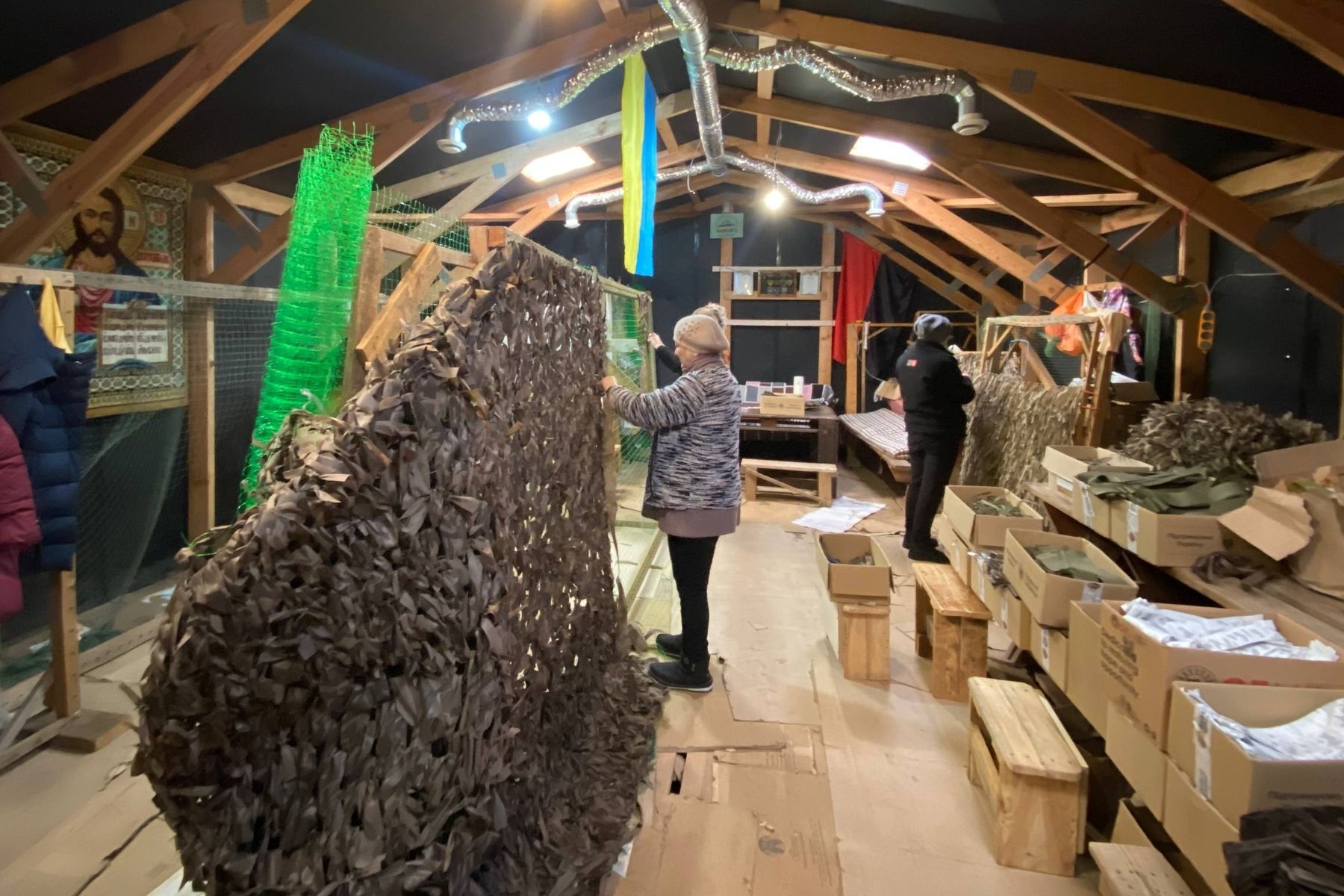
Since 2023, for many residents, it has become far more than just a place to get warm or charge a phone; it has transformed into a sanctuary of human connection at a time when darkness and cold too frequently dominate daily life.
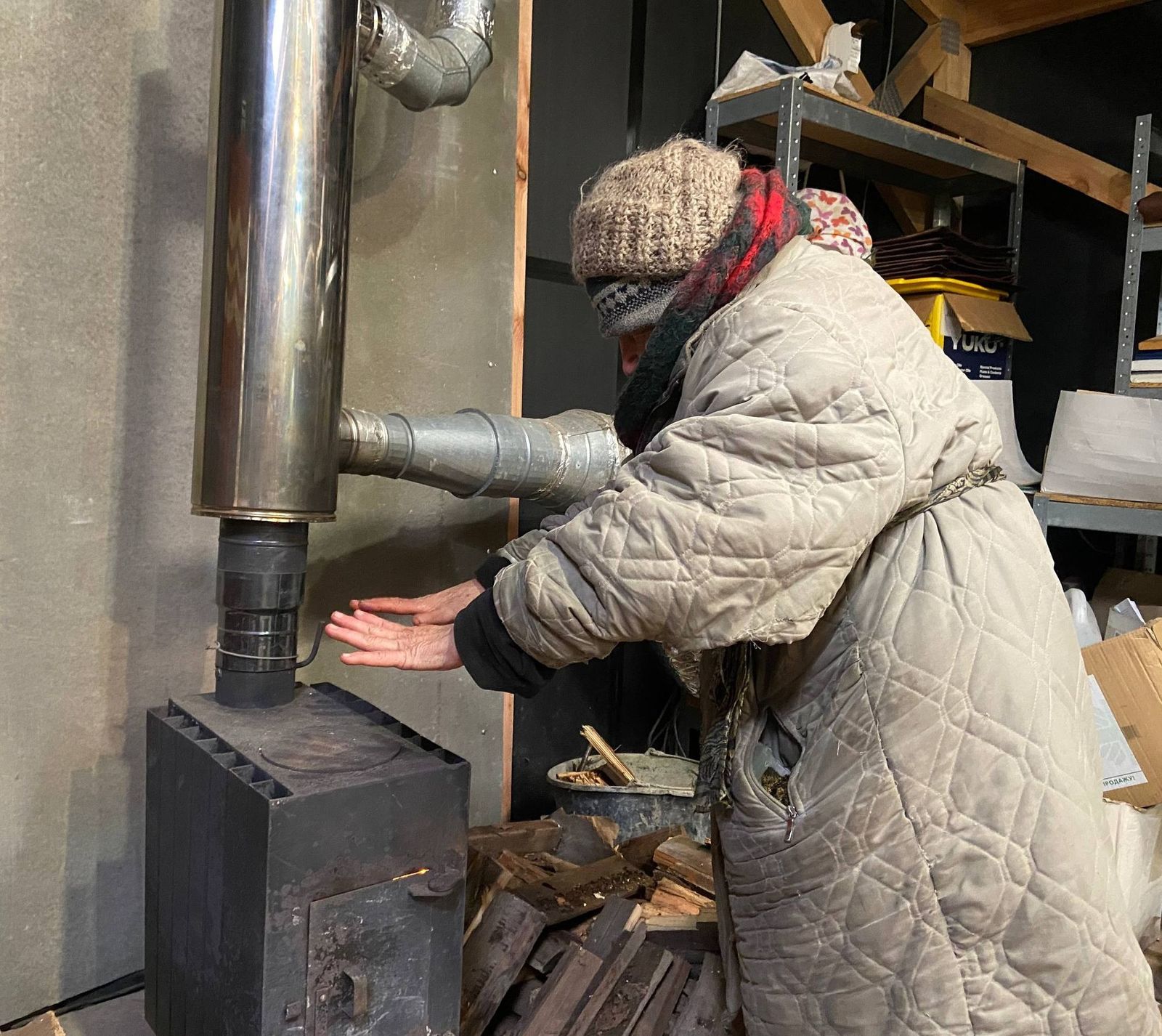
The center operates every day from 8:30 AM to 5:00 PM. On average, 20 to 30 people visit daily. Even during prolonged power outages, this number remains steady—the need for physical warmth and light is constant.
Warmth Amid the Darkness
Russian strikes on critical infrastructure have taken a heavy toll on city life, causing power outages exceeding 20 hours a day, a complete lack of heating, exhaustion, and intense psychological strain. Under such harsh conditions, even the simple opportunity to drink a cup of hot tea becomes a luxury.
At the resilience center, individuals can:
- Find physical warmth
- Charge their mobile devices
- Connect to the internet
- Engage in human companionship
- Join in prayer
- Receive hot beverages
The most frequent visitors are the elderly and internally displaced persons (IDPs). For many of them, this outreach provides not just practical relief, but a vital reminder that they are not alone.
“People are simply longing for warmth,” shares Father Ivan Talaylo, the parish priest. “Both physical warmth and human warmth.”
Svitlana’s Story: From Loneliness to Service
Svitlana is 70 years old and an internally displaced person. After relocating to Kryvyi Rih, she had to adapt to an unfamiliar city while wrestling with profound loneliness. During the winter months, her small rented apartment grew cold and dark. Her phone—her sole lifeline to the outside world—would quickly run out of battery.
One day, she gathered the courage to step inside the parish resilience center, looking only to warm up and charge her phone. She was welcomed with a hot cup of tea and a genuine, heartfelt conversation.
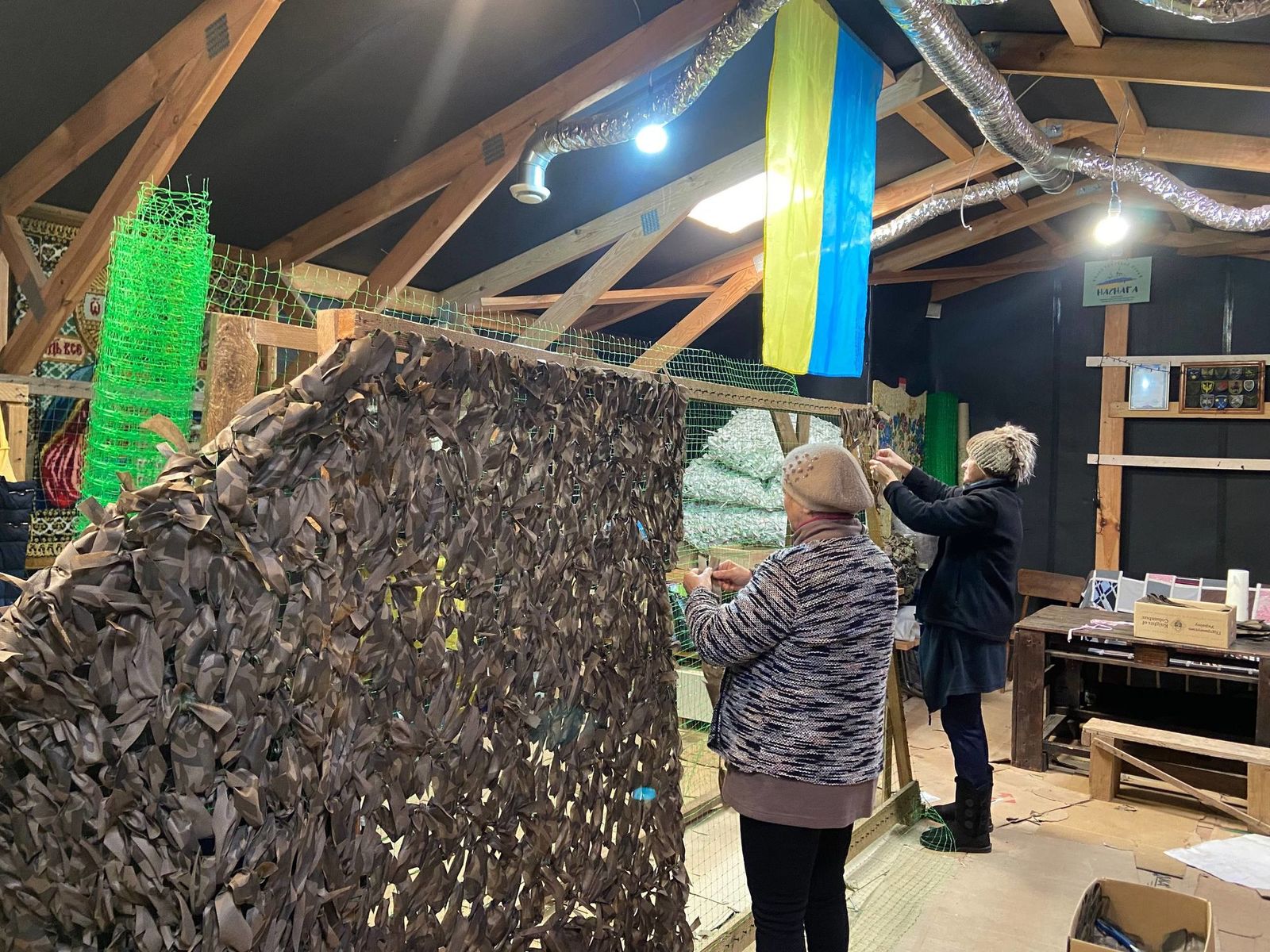
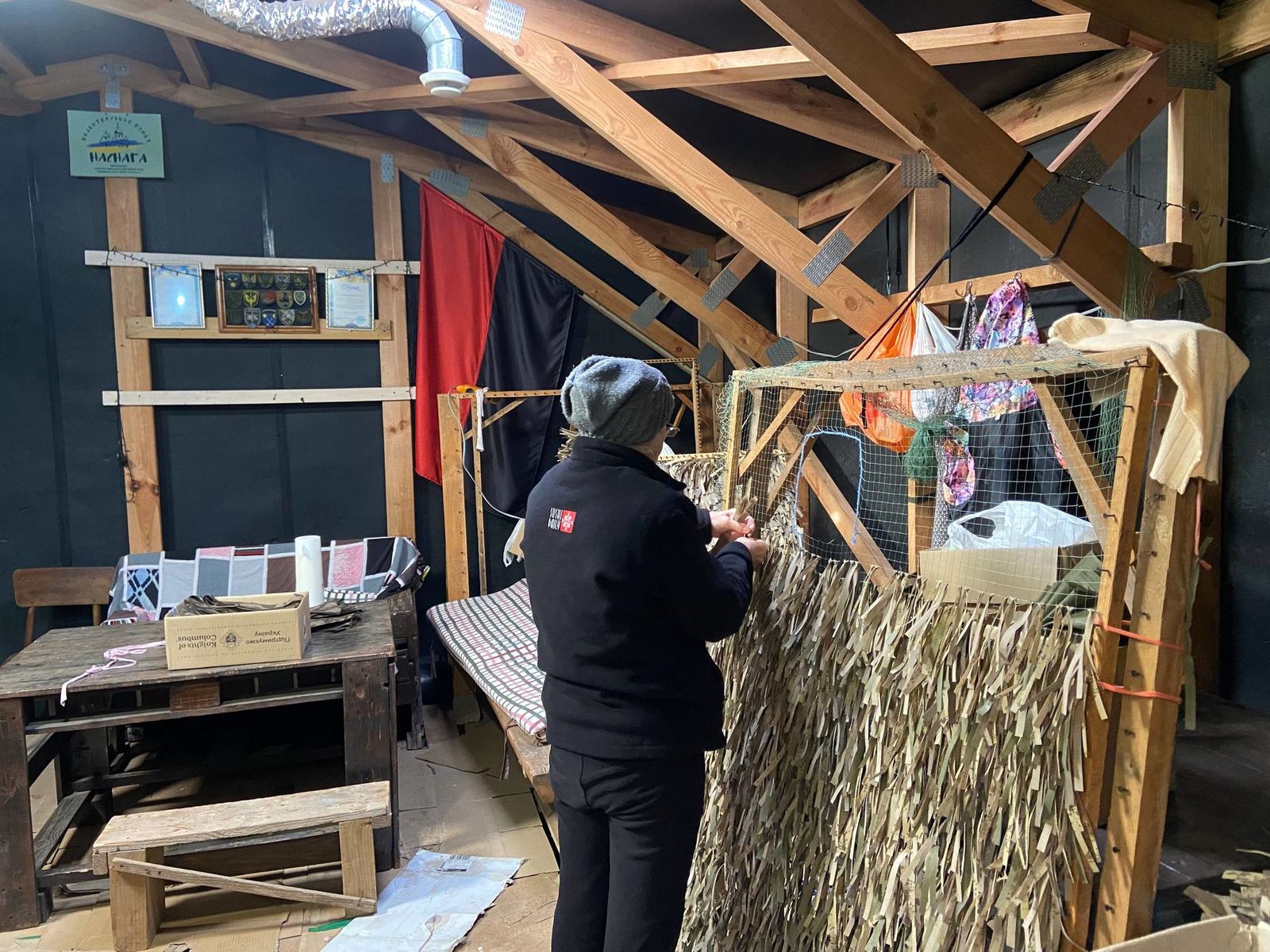
Since that day, Svitlana began visiting almost daily. Over time, she joined the volunteer ministry and now works alongside others weaving camouflage nets for the military. Working with her hands, sharing in common prayer, and conversing over tea restored her sense of dignity and purpose.
“The church community has truly become like a family to me now. Here, people know me, they look forward to seeing me, and they support me,” she says.
Her journey stands as a powerful example of how a resilience center can transcend its role as a shelter for heat and light, becoming a space for personal renewal.
A Community Holding Fast Together
A dedicated volunteer hub for weaving camouflage nets operates continuously at the center. Volunteers assist visitors, take shifts, and maintain order. Consequently, people do not arrive merely to receive aid; they actively become part of the ministry themselves.
Visitors express their deep gratitude, invite their acquaintances, and return regularly—no longer just as individuals in need, but as active participants in a shared mission.
Through the resilience center, the parish has become an anchor of safety and solidarity. Here, the Church is not an abstract concept, but a living, breathing presence standing firmly beside those enduring the most difficult times.
Gratitude to Those Who Stand with Us
The parish emphasizes that no such initiative can exist in isolation.
“We extend our heartfelt gratitude to everyone who supports these initiatives across Ukraine and abroad. Your generosity translates directly into warmth, light, and hope for real people. Thanks to you, the Church can remain close to those who need it most. Together, we are building a community of mutual support and love.”
In a city where darkness sometimes outlasts the day, the small light shining on the church grounds serves as a daily reminder: resilience is not just about endurance, but about our capacity to stand together.
Press Service of the Patriarchal Foundation “Mudra Sprava”