The Mini-MBA Program “Action in Hope” Launched in Odesa: Participants Sought Answers on What a Leader Should Be in Times of War
July 5, 2026
On July 3, the first module of the “Action in Hope” mini-MBA educational program began in Odesa, bringing together volunteers, leaders of charitable organizations, business representatives, lawyers, doctors, educators, and community leaders.
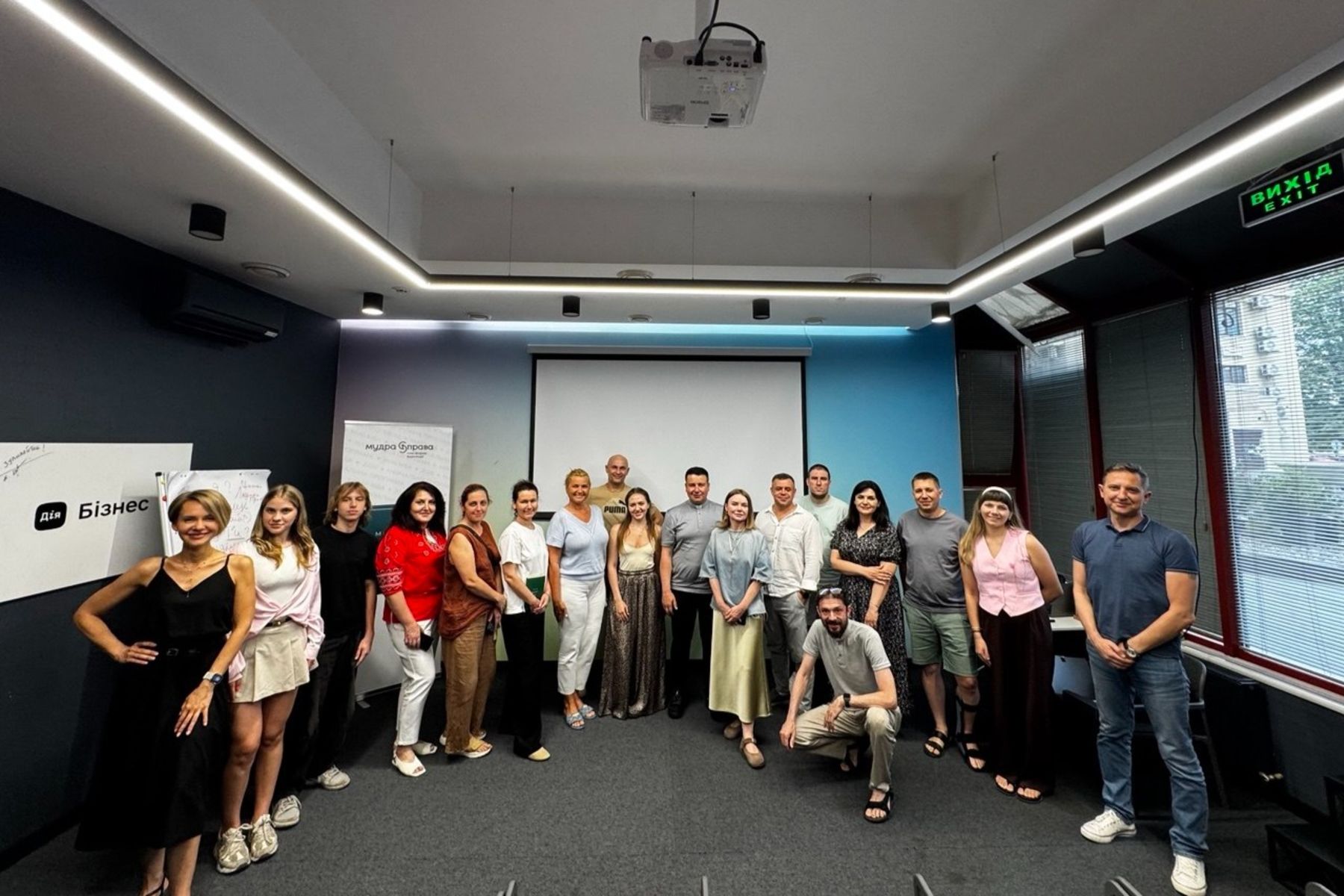
Over three days, participants will work on developing managerial, communication, and leadership competencies necessary for the growth of their organizations and communities.
The first training day was dedicated to the topic of ethical leadership. Instead of searching for universal recipes for success, participants were invited to reflect on a fundamental question: what makes a person a true leader in a world where efficiency is increasingly measured by speed, profit, and competition?
One of the key insights of the meeting was the conviction that true success is impossible without personal inner development. Participants viewed leadership as a simultaneous movement along three interconnected paths—toward oneself, toward one’s neighbour, and toward God. It is their unity that forms a mature individual, capable not only of achieving results but also of taking responsibility for others.
Special attention was paid to the role of community. During the training, it was emphasized that no leader achieves success alone. Building trust, maintaining open communication, listening, and uniting people around a shared goal are no less important than making the right management decisions. After all, communication is expressed not only in words, but also in daily actions and personal conduct.
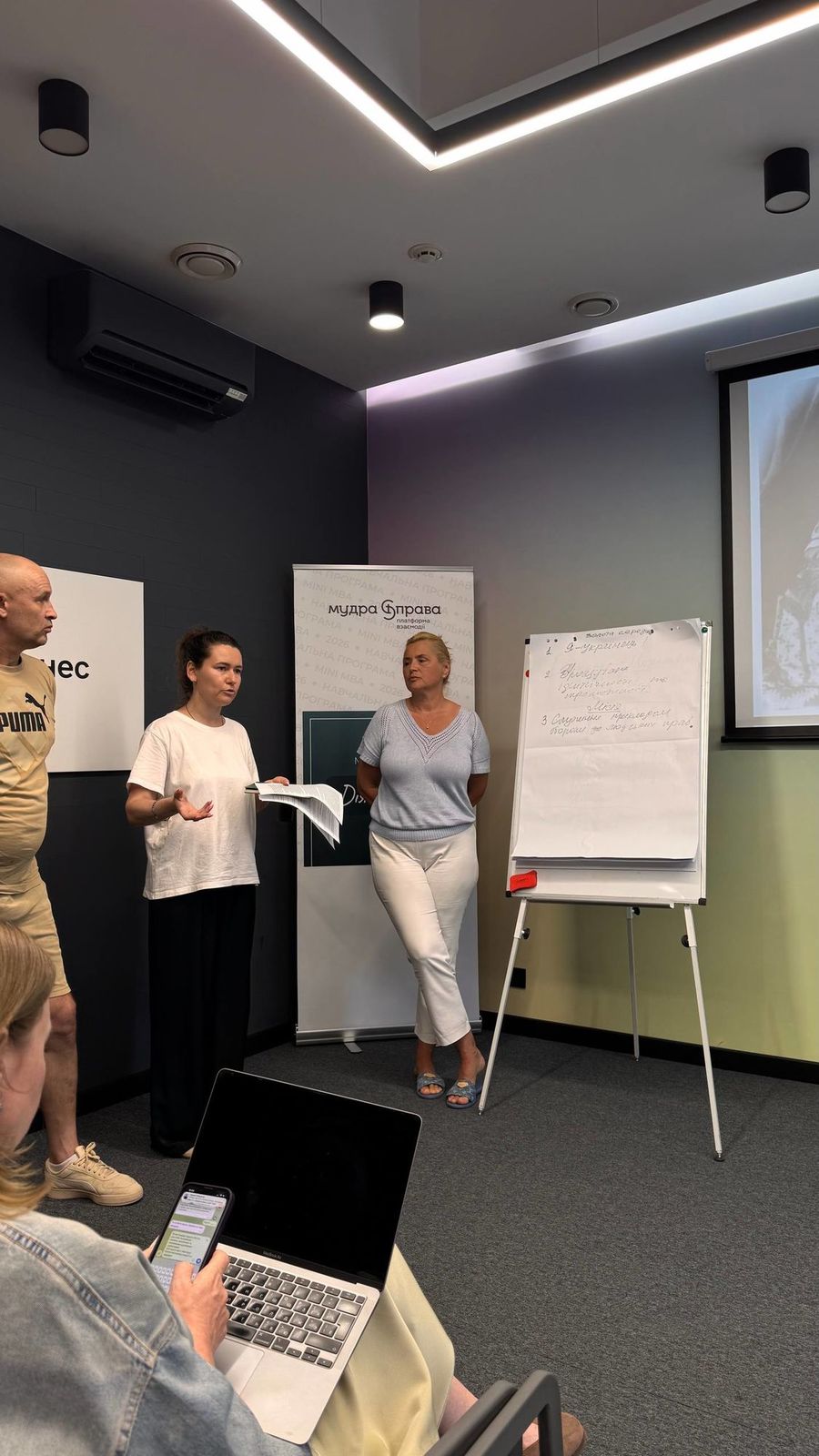
Participants also reflected on the values upon which modern leadership should be based. These include transparency, openness to change, humanity, compassion, solidarity, trust, mutual respect, inclusivity, and justice. Particular emphasis was placed on the fact that these principles are not abstract concepts, but must become criteria for daily decision-making in business, the civic sector, and service to others.
In the context of a Christian understanding of leadership, participants also turned to theological and cardinal virtues: faith, hope, and love, alongside prudence, justice, fortitude, and temperance as the foundation of responsible service to society.
One of the overarching themes of the training was responsibility. Future leaders were encouraged to realize that they are responsible not only for the results of their work, but also for the people they lead, the atmosphere within their teams, and the overall development of society.
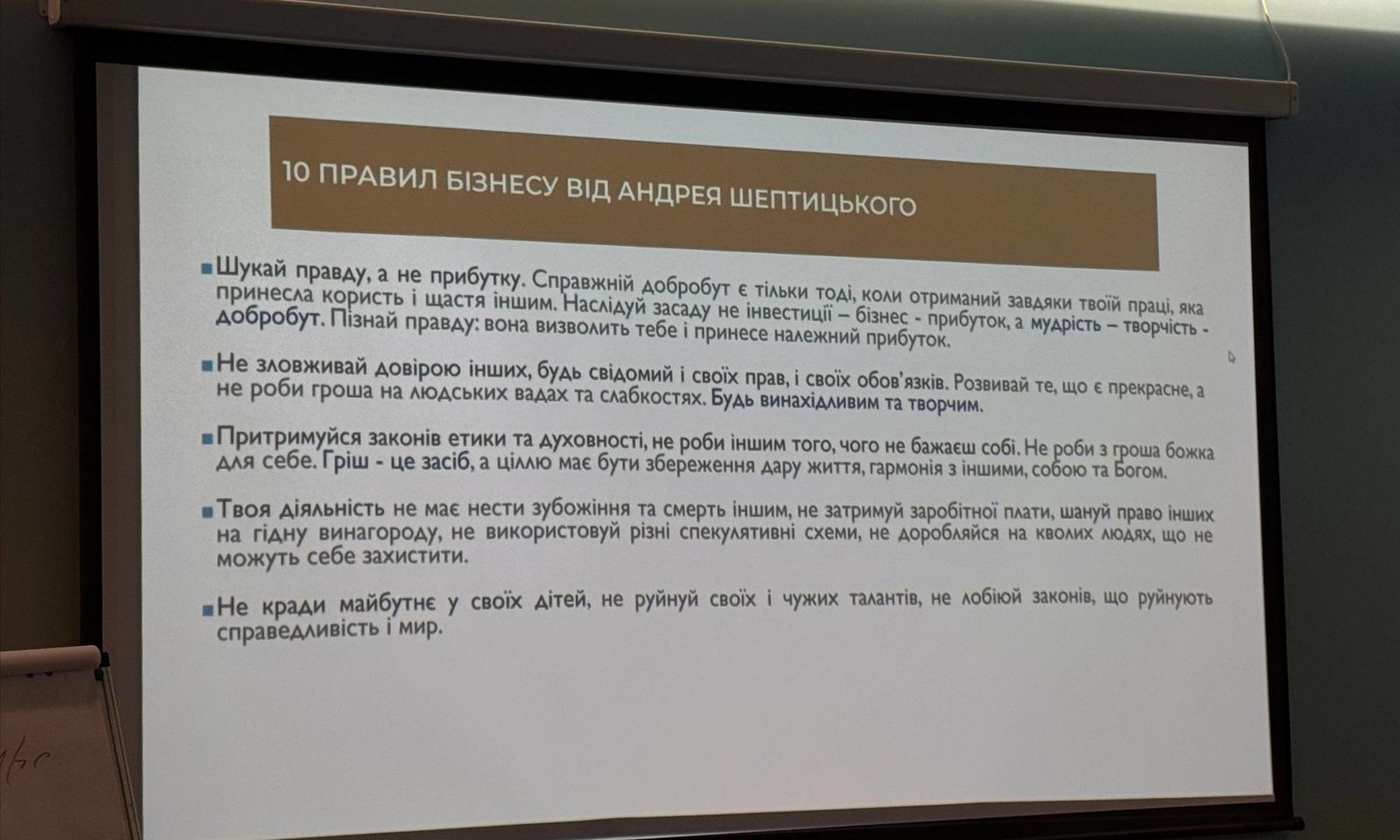
Metropolitan Andrey Sheptytsky occupied an important place during the session, presented as an example of a visionary leader who combined spiritual service with social responsibility and entrepreneurship development. His business principles remain relevant today: seek truth rather than just profit, do not abuse trust, base activities on ethical principles, respect human dignity, and work for the common good.
The training in Odesa will continue until July 5. Ahead for the participants are new lectures, practical exercises, and skill development to help them more effectively implement their initiatives and respond to the challenges facing Ukrainian communities during wartime.
Press Service of the Patriarchal Foundation “Mudra Sprava”