Participants of the “Action in Hope” mini-MBA Program From Odesa Learned to Turn Competition Into Cooperation
July 5, 2026
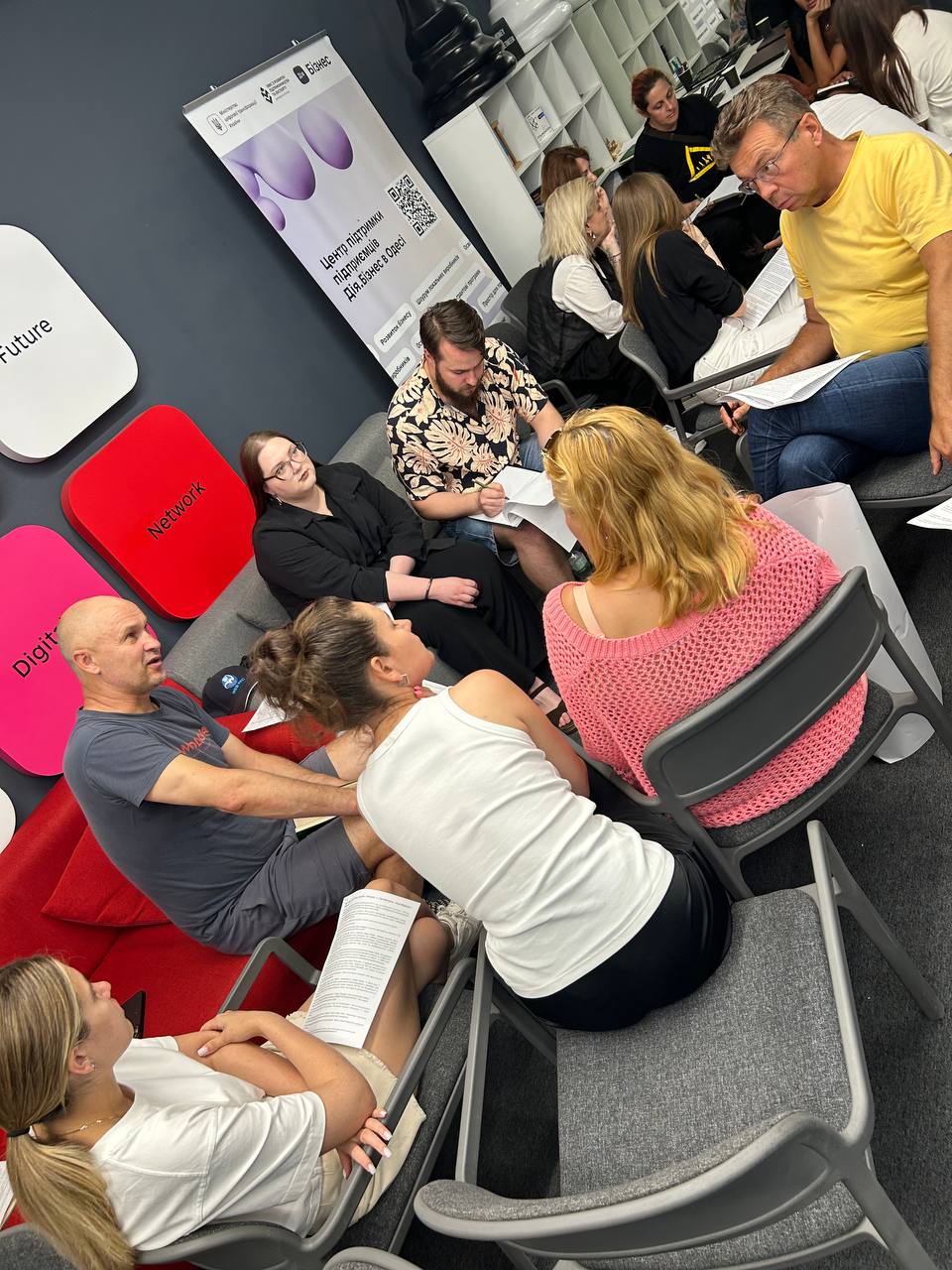
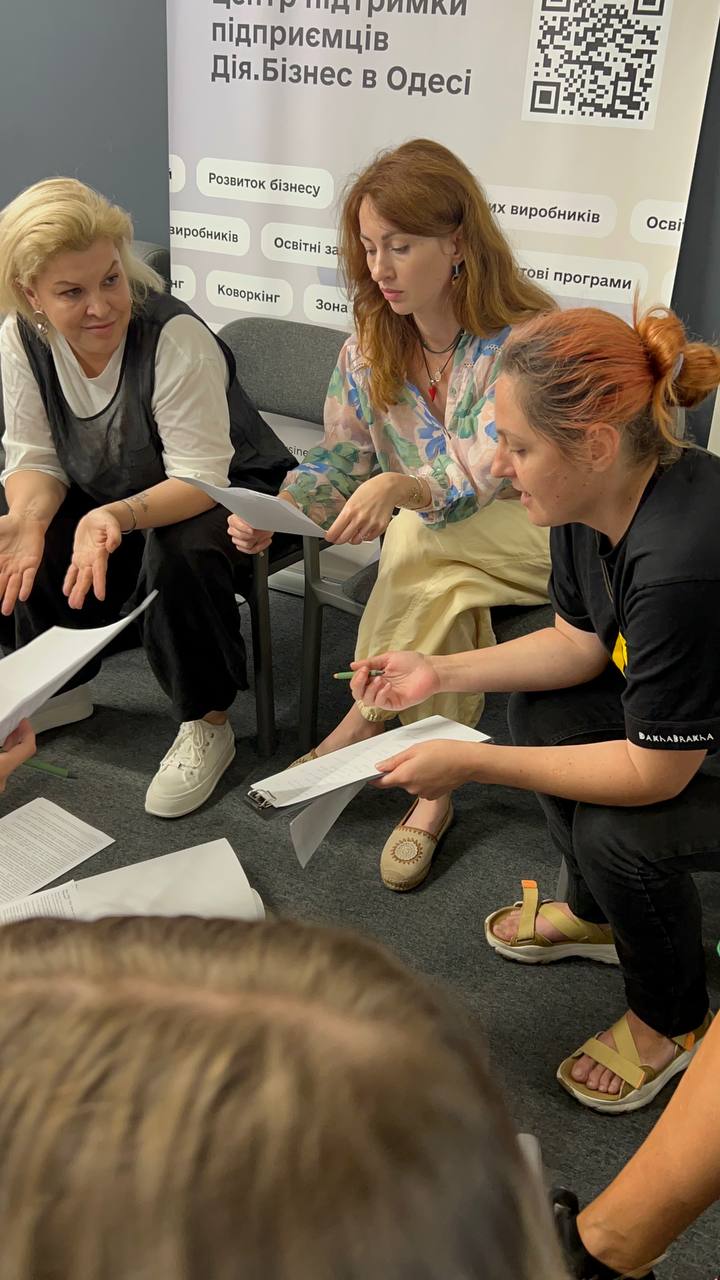
On July 4, the first module of the “Action in Hope” mini-MBA educational program continued in Odesa, bringing together volunteers, heads of charitable organizations, business representatives, lawyers, doctors, educators, and community leaders.
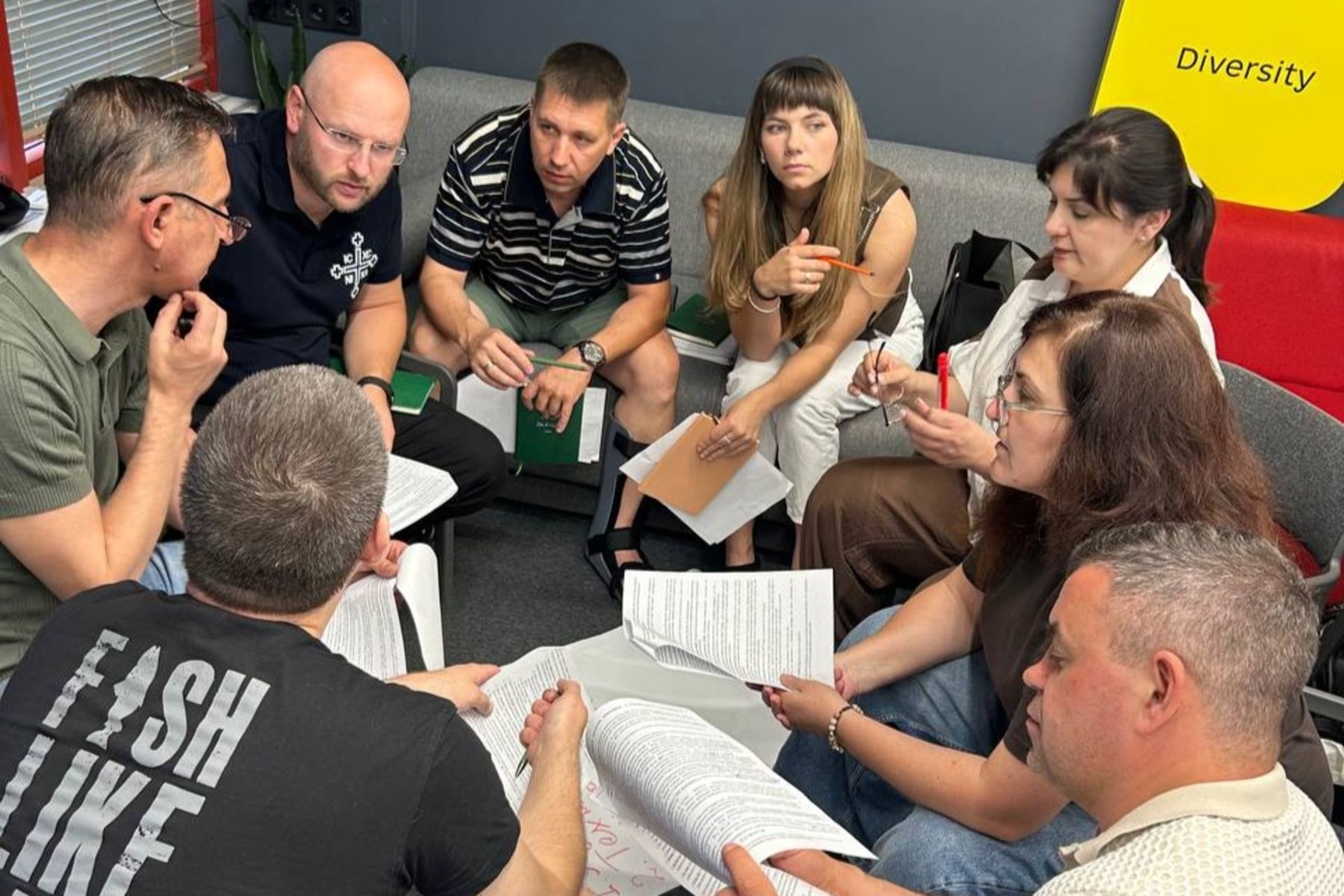
The second day of training was dedicated to the topic of business clusters—a modern model of community and entrepreneurship development that proves cooperation often yields significantly greater results than operating alone.
During the session, participants were invited to look at clusters not merely as an economic tool, but primarily as a new way of thinking. The focus was on shaping an environment where entrepreneurs, educational institutions, authorities, public organizations, and the expert community do not isolate themselves from one another but instead build sustainable partnerships around a shared goal.
Participants learned that a cluster is a system of interconnected companies, institutions, and organizations that can remain market competitors while simultaneously collaborating on innovation development, workforce training, regional promotion, knowledge sharing, and expansion into new markets. It is precisely this interaction that creates a synergistic effect, where the combined result exceeds the sum of individual efforts.
Special attention was given to global examples of successful clustering. Participants analysed how small towns and regions across various countries became world leaders in niche manufacturing sectors due to the concentration of enterprises, specialization, and long-term cooperation between business, education, and local government. Such territories are referred to as a kind of “anomalous business valleys,” as their economic development significantly outperforms neighbouring regions.
During the training, it was also emphasized that the cluster approach is becoming one of the key factors in national competitiveness today. It fosters investment attraction, small business growth, startup emergence, technology transfer, human capital development, and job creation. In European countries, clusters have already become an essential part of economic policy, and their contribution to regional development continues to grow.
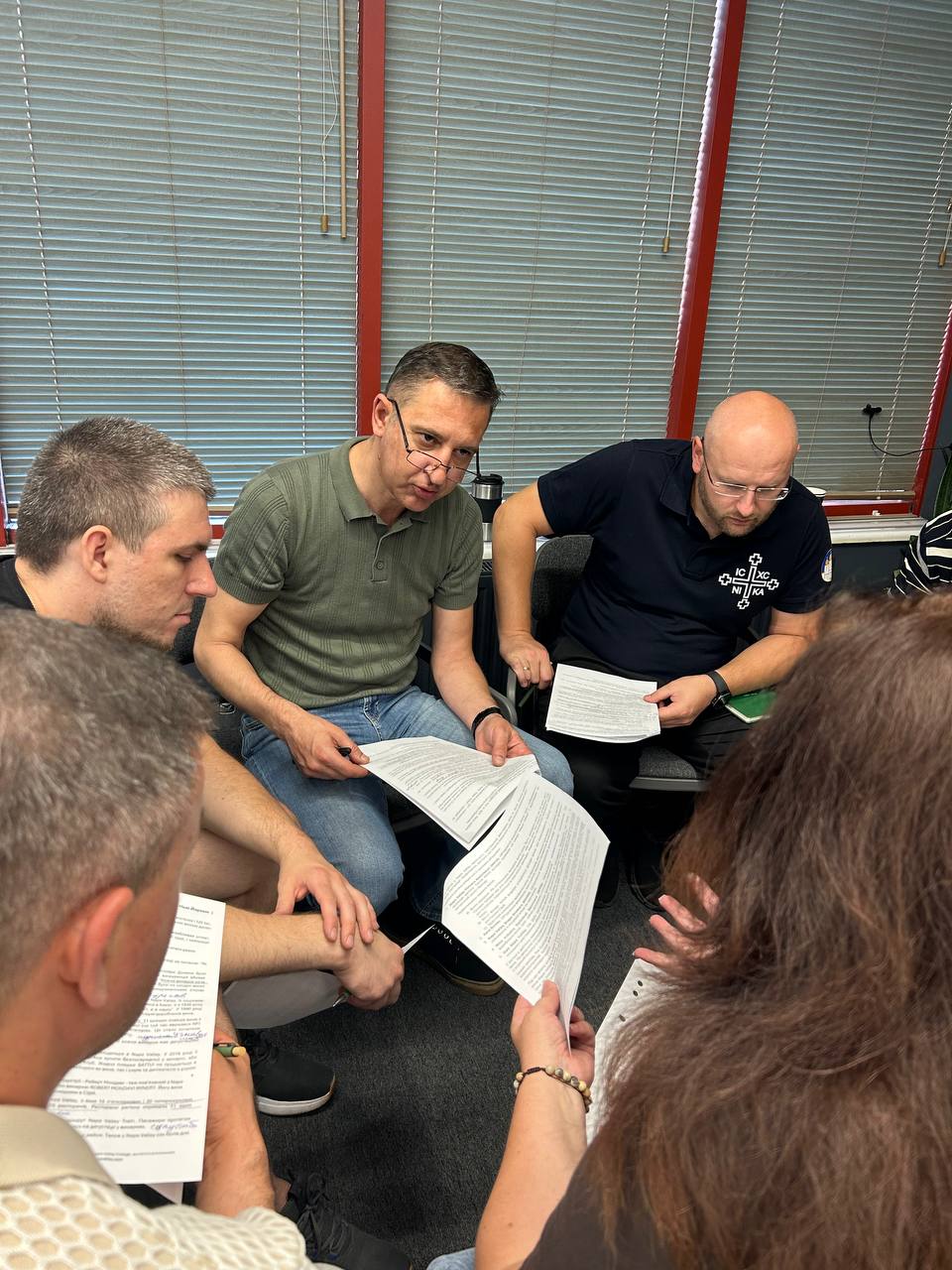
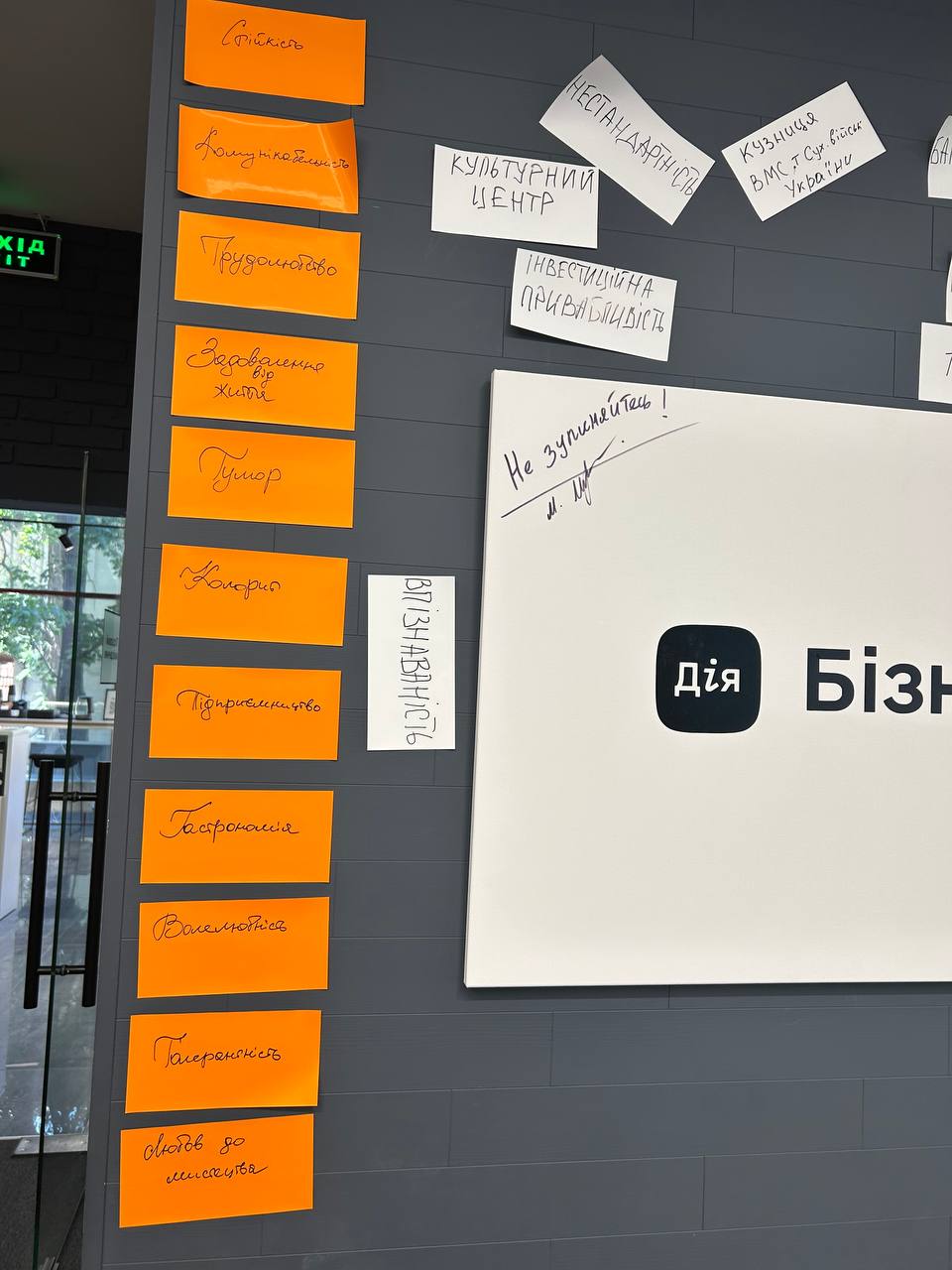
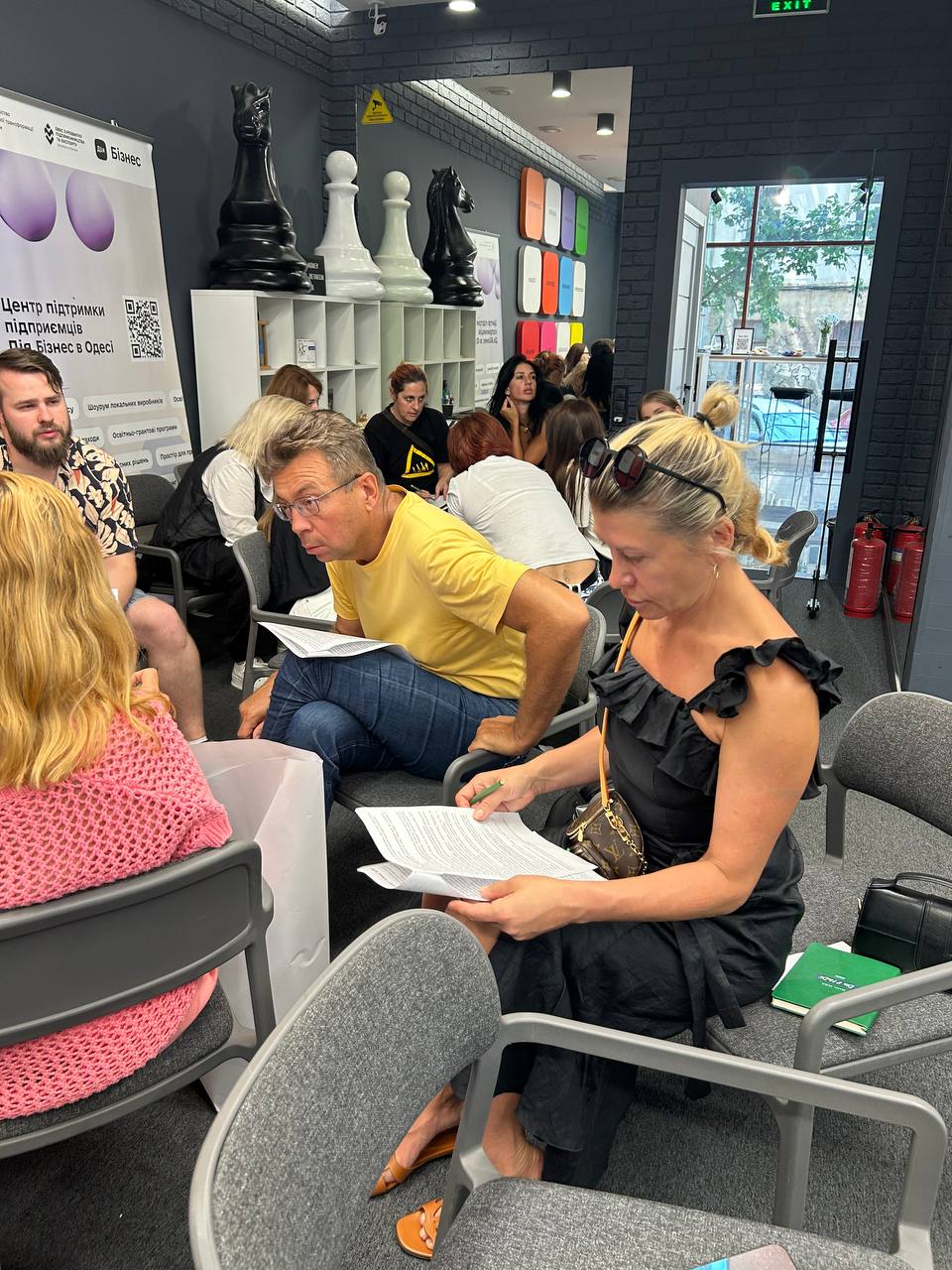
A notable example for discussion was well-known global clusters, particularly Silicon Valley, where cooperation between business, universities, and investors provided the impetus for creating a world-class innovation ecosystem. This model demonstrates that development stems not only from strong individual companies, but above all through trust, partnership, and unity around a shared vision.
The first module of the “Action in Hope” mini-MBA program will run until July 5. Throughout the upcoming sessions, participants will continue mastering modern tools for business development, civic initiatives, and effective management to help implement positive changes in their communities.
Press Service of the Patriarchal Foundation “Mudra Sprava”