Leadership, Negotiations, and Sales: Participants of “Action in Hope” Complete Fifth Module in an Odesa Shelter
August 3, 2026
From July 31 to August 2, 2026, Odesa hosted the fifth module of the mini-MBA educational program “Action in Hope,” organized by the Patriarchal Foundation “Mudra Sprava.” Over three days, participants mastered the principles of leadership, effective negotiations, and sales under the guidance of UCU Business School lecturer Andriy Rozhdestvenskyy.
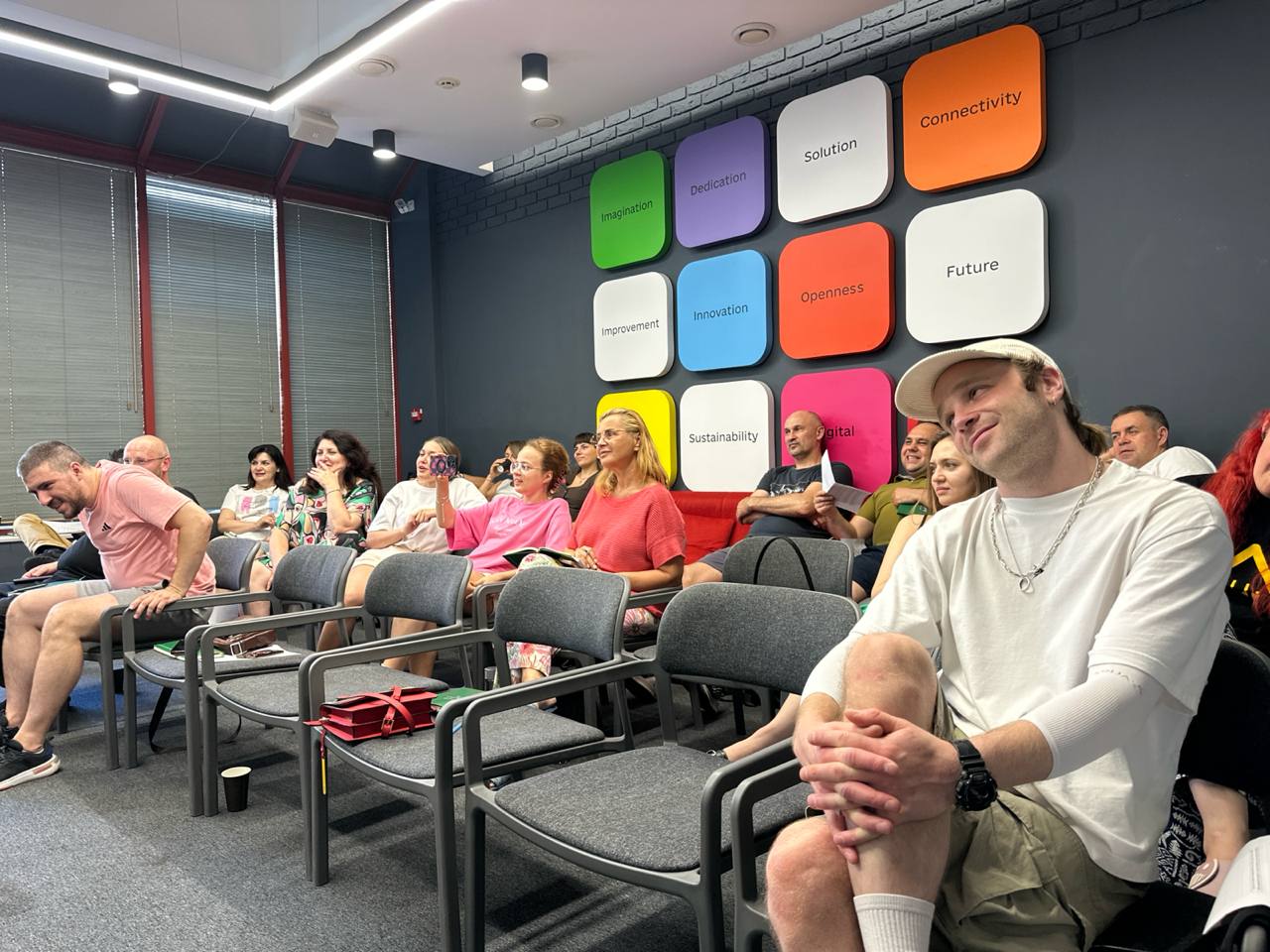
Significant attention during the module was given to leadership in conditions of uncertainty and constant change. Participants learned to distinguish technical problems, for which ready-made solutions already exist, from adaptive challenges that require rethinking established approaches, engaging the team, and searching for new answers.
Andriy Rozhdestvenskyy emphasized that leadership is defined not by position or formal authority, but primarily by action. A leader’s task is not to have answers to all questions, but to properly diagnose the problem, present the reality of the situation to the team, create a space of trust, and direct people’s energy toward change.
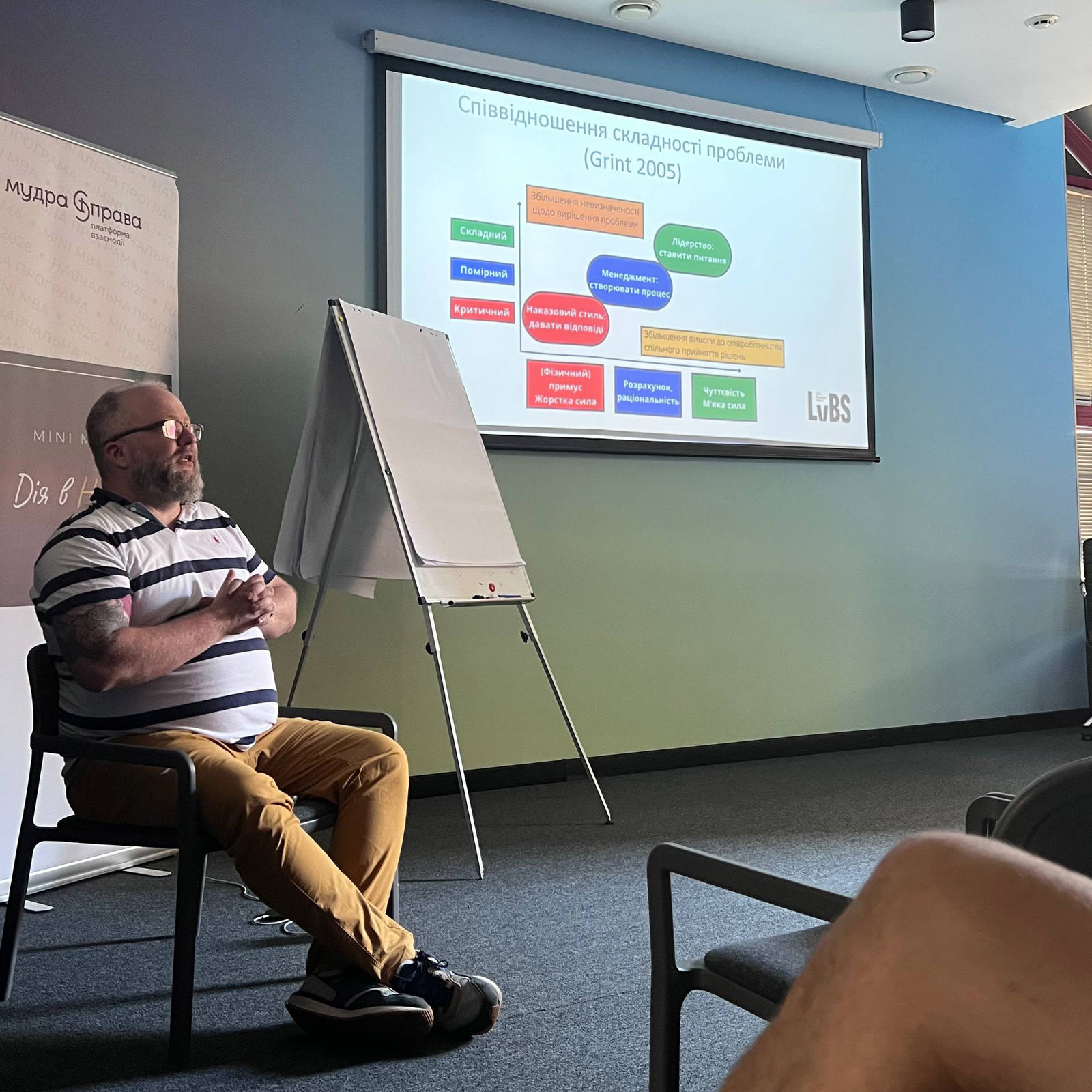
A separate block focused on the decentralization of responsibility, disciplined initiative, and mutual trust within the team. Participants explored the principles of mission command and the 6 W model, which helps clearly define: who, what, when, where, in what manner, and for what purpose a task should be accomplished. The discussions also covered the distinction between management and leadership, the role of a leader’s character and virtues, and behaviour that fosters trust.
The topic of leadership in a hostile and extremely stressful environment proved especially relevant under wartime conditions. Participants examined how exhaustion and prolonged pressure affect the ability to make decisions, interact with the team, and maintain personal resilience. At the same time, a leader’s developed virtues and character can serve as an internal resource that helps resist burnout and toxic behaviour.
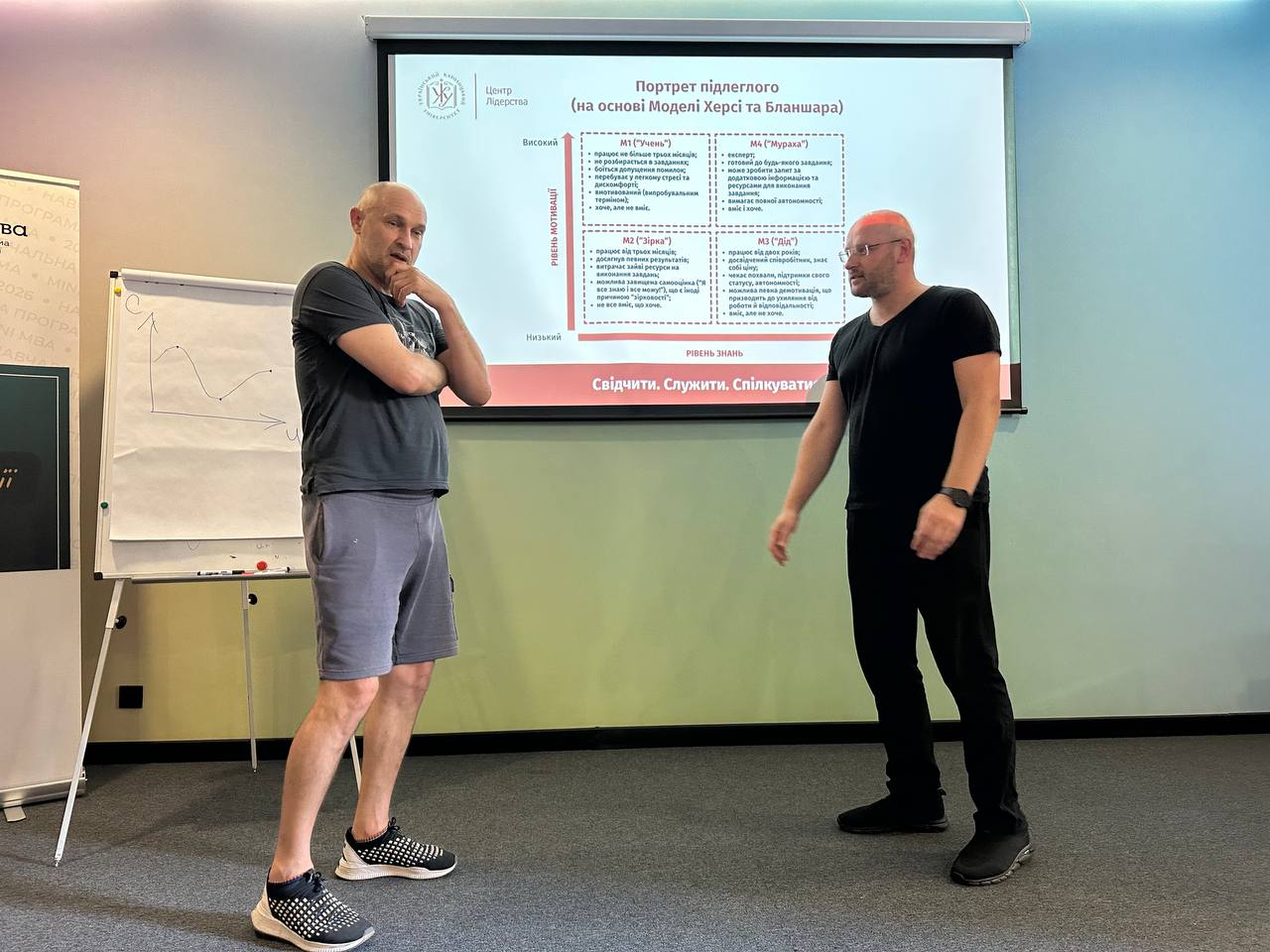
During the negotiations training, participants went through all stages of the negotiation process—from preparation and identifying the parties’ interests to closing the deal, recording agreements, and monitoring their execution. They practiced different types of questions, active listening, handling objections, and argumentation based on facts, documents, statistics, and expert opinions.
In the context of sales, the focus was on the need to concentrate not just on the features of a product or service, but primarily on human needs and the value provided. Participants also learned to recognize manipulations, ultimatums, emotional pressure, and other tactics of tough negotiations.
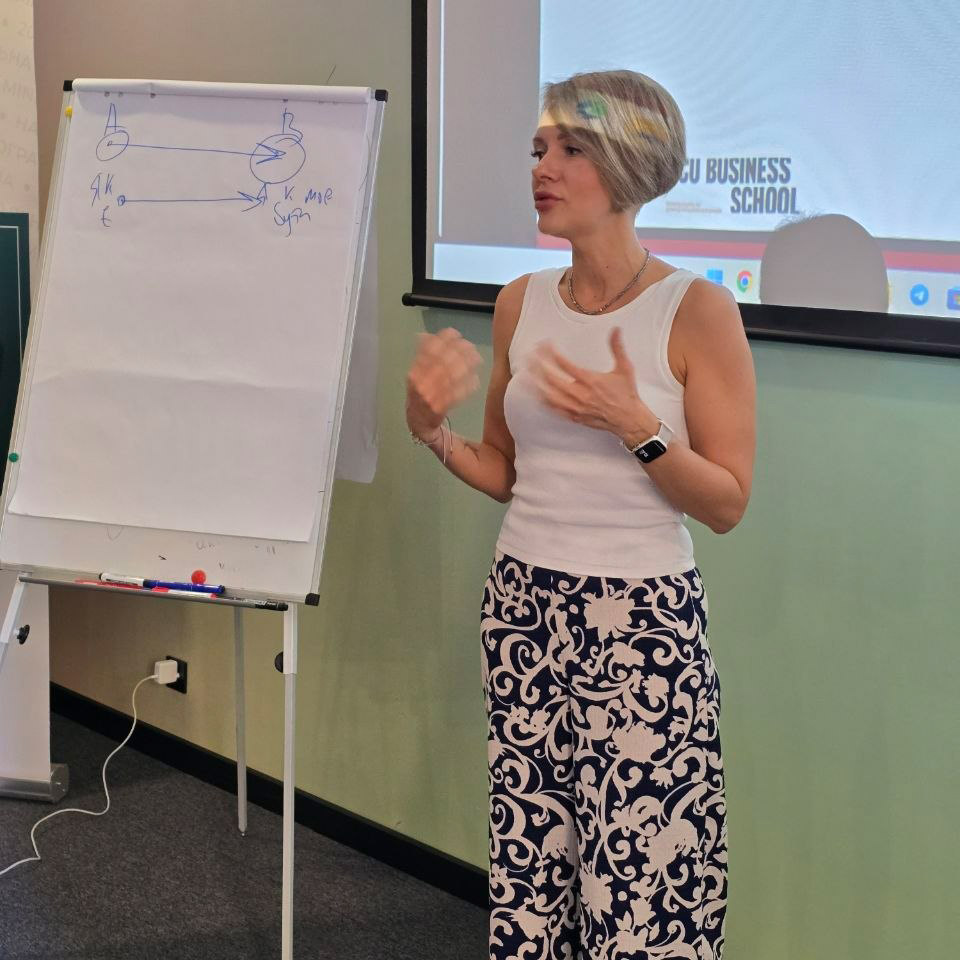
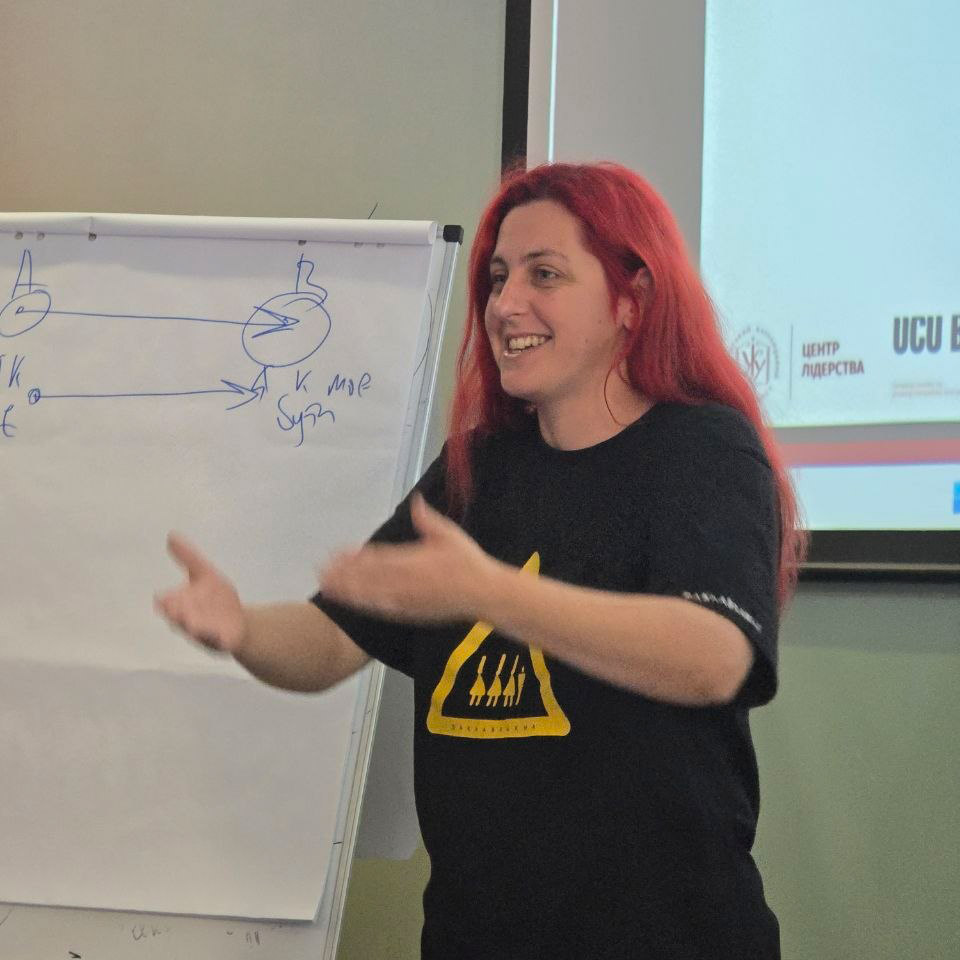
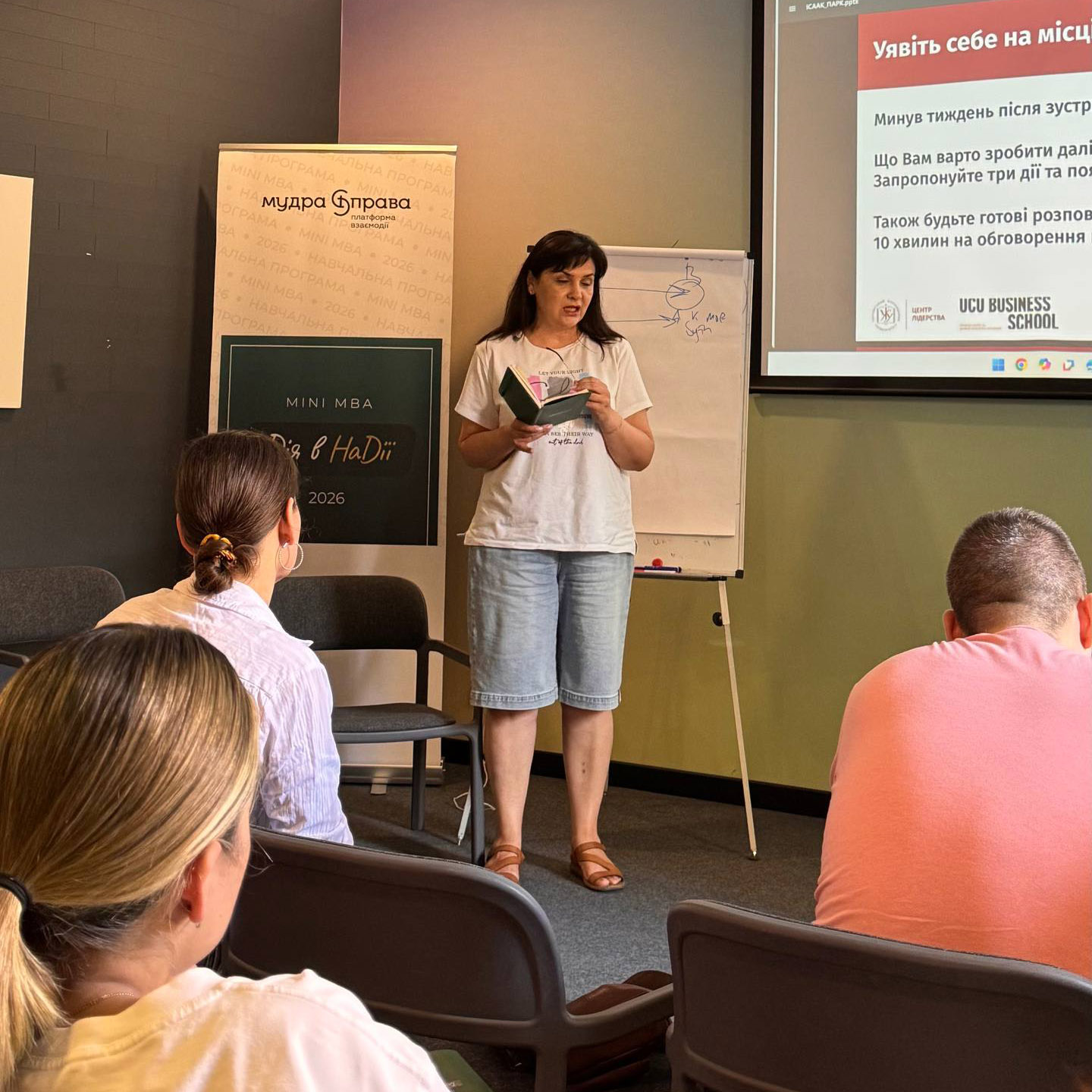
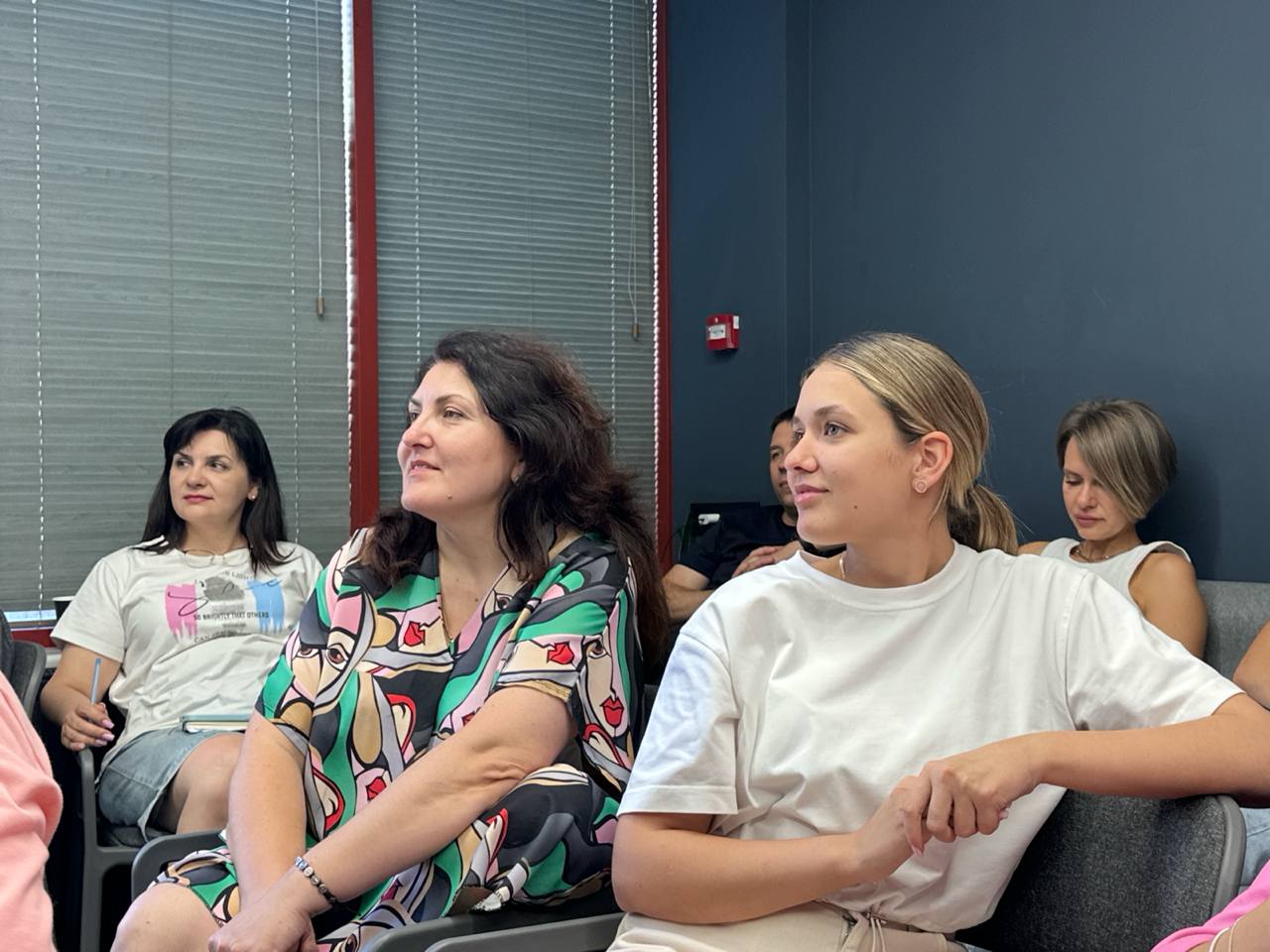
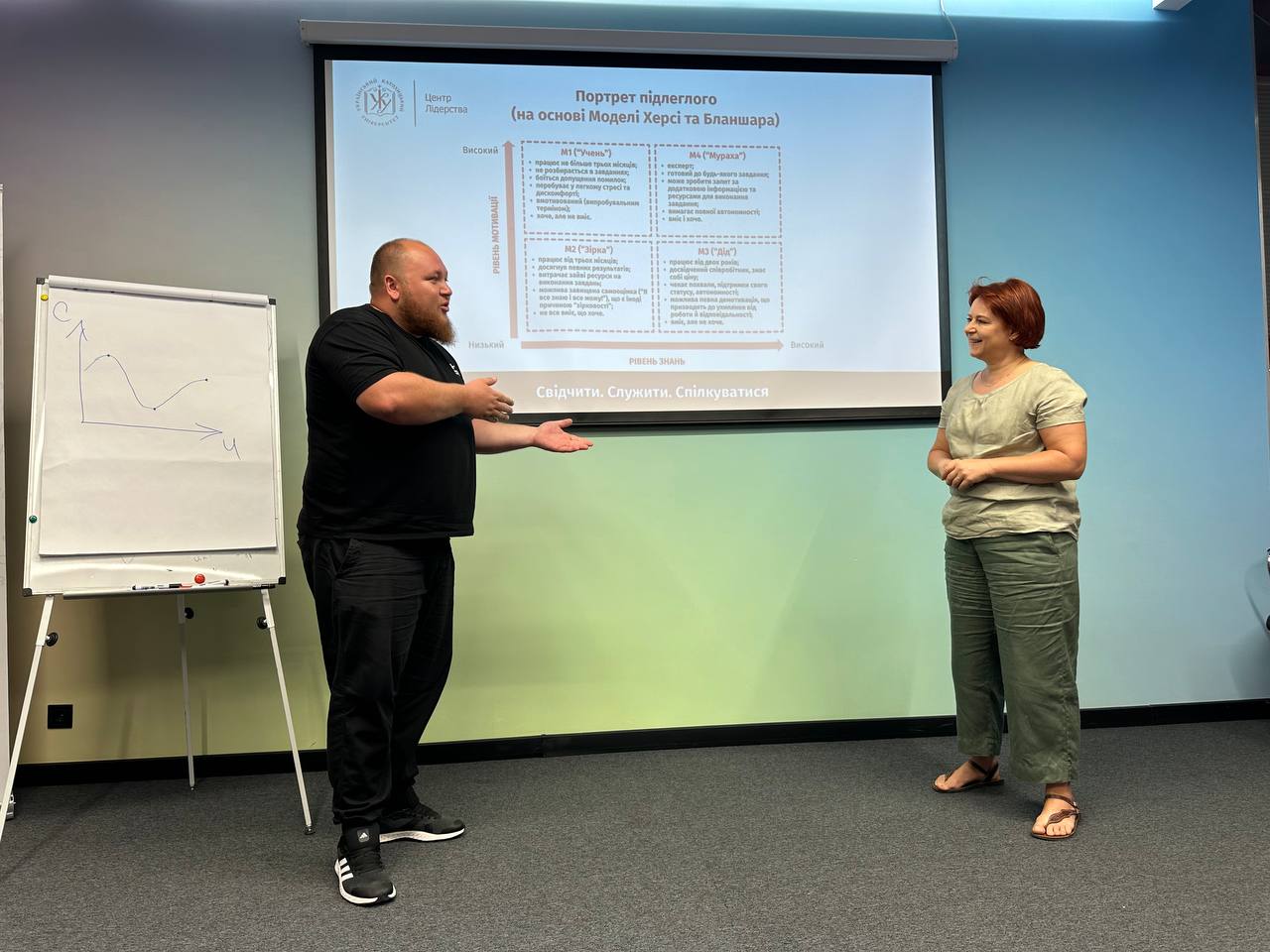
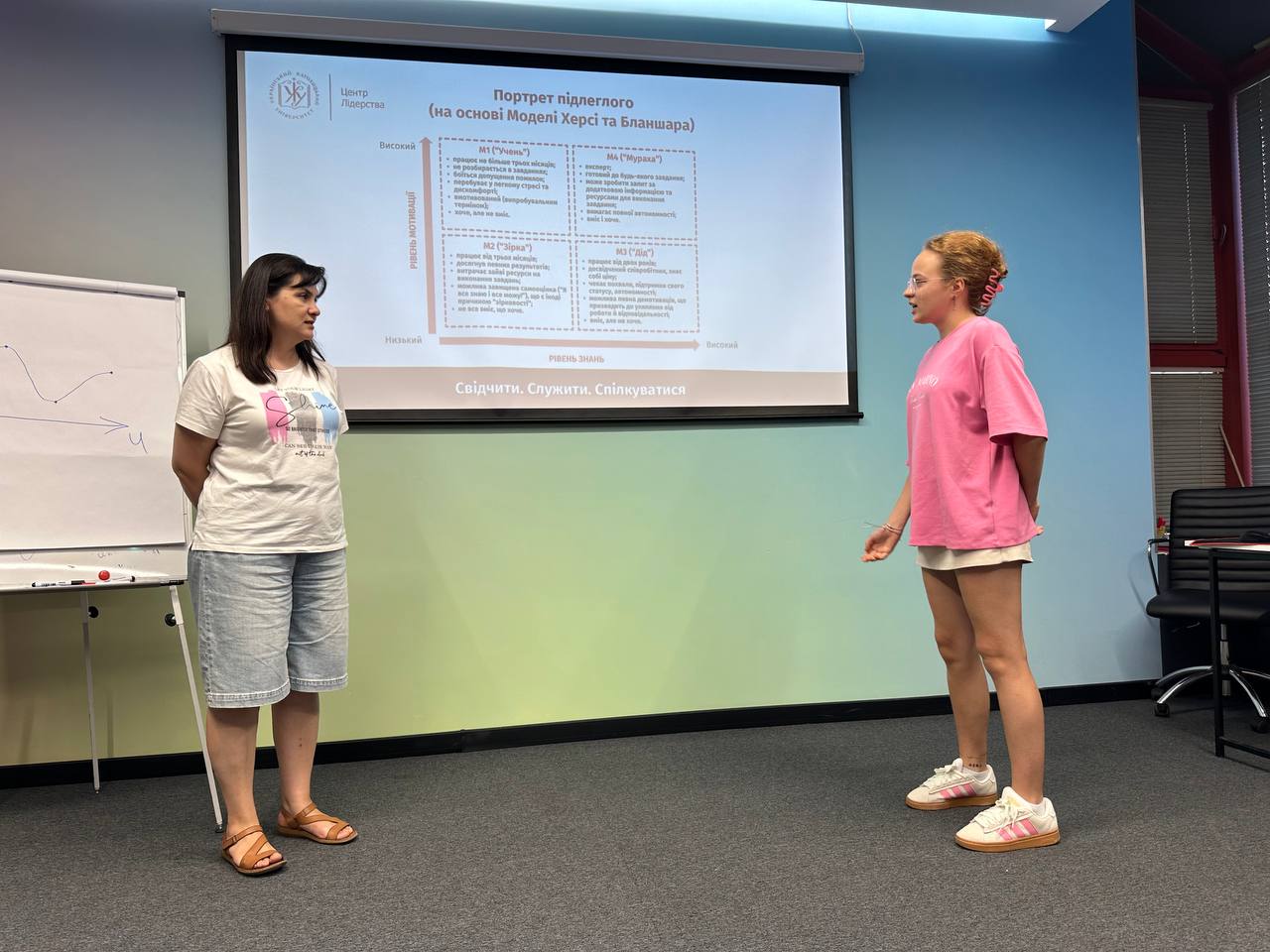
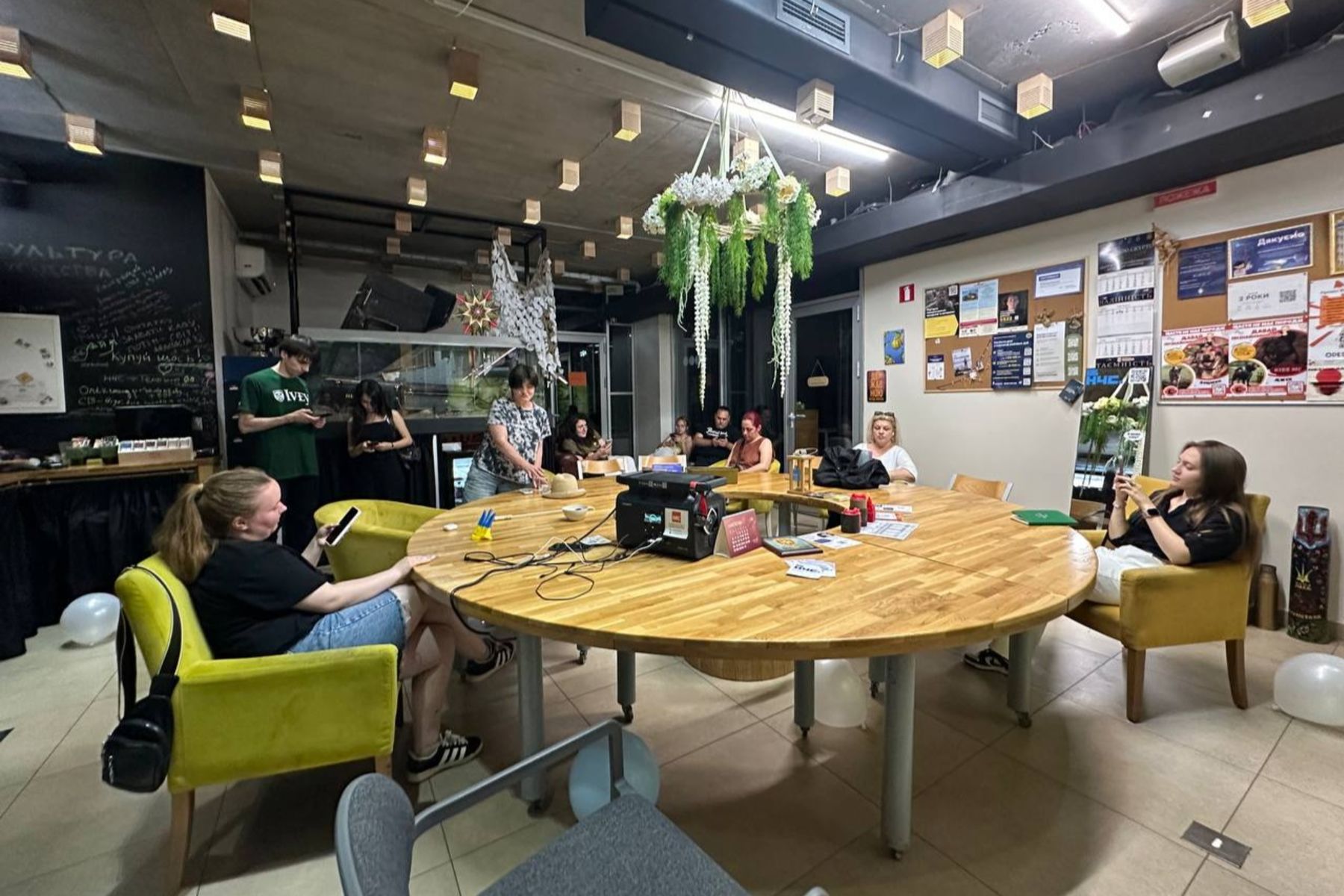
The training took place amid constant air raid alerts and prolonged Russian missile attacks on Odesa. For safety reasons, the participants and the instructor continued part of the sessions in a shelter. Despite the danger, the fifth module was completed in full, combining theoretical knowledge with practical exercises and discussions of real situations that participants face in their organizations, communities, and professional work.
Press Office of the Patriarchal Foundation Mudra Sprava