How Clusters Change Regions: A Module on Modern Economic Models Held in Kryvyi Rih
May 16, 2026
On May 16 in Kryvyi Rih, the third module of the mini-MBA educational and informational program “Action in Hope,” implemented by the Patriarchal Foundation “Mudra Sprava,” took place. The second day of training was dedicated to “Business Clusters”—a modern approach to economic, entrepreneurial, and regional development.
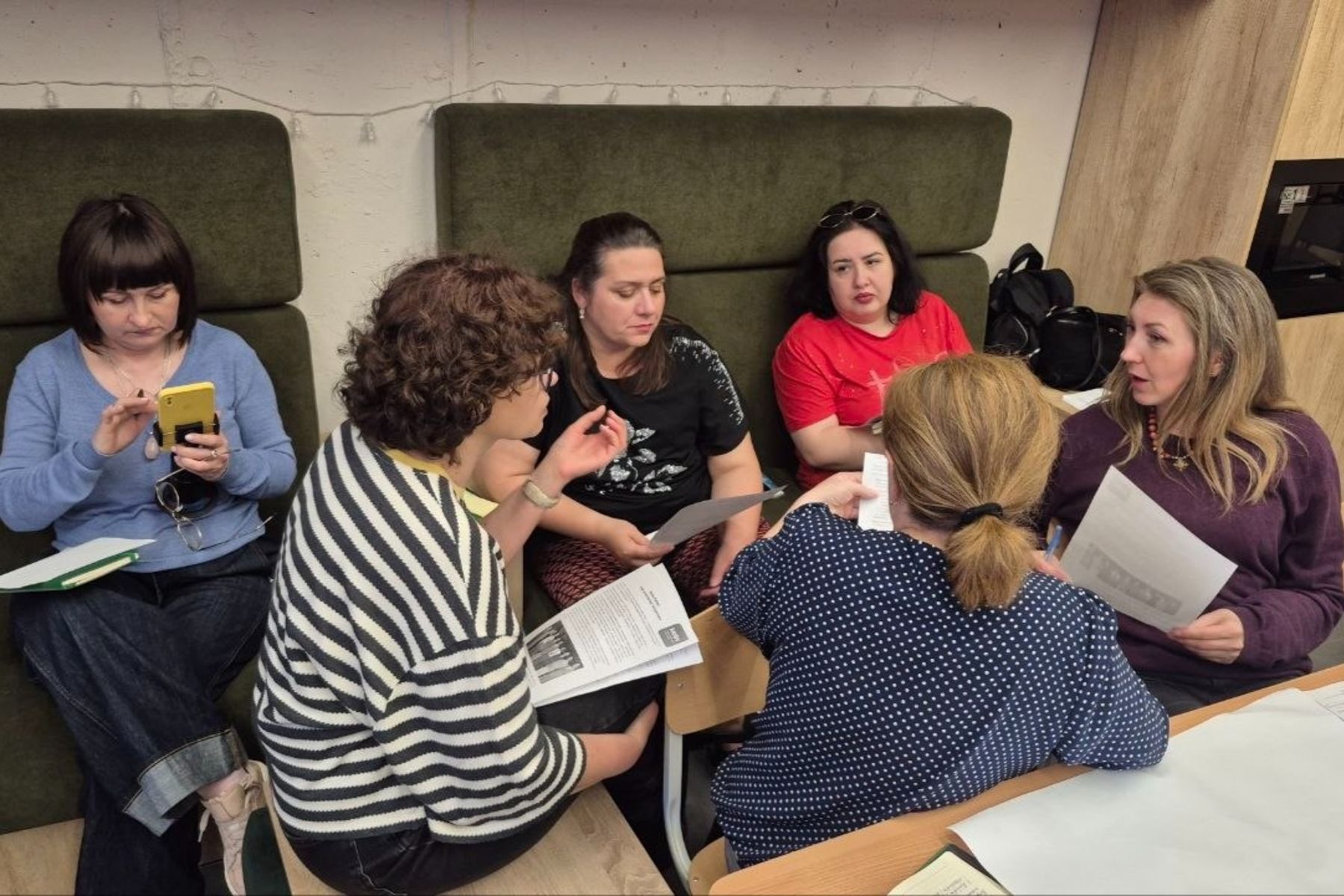
Participants of the program included entrepreneurs, businesspeople, representatives of local self-government bodies, civic activists, and public figures.
The lecturer successfully presented the cluster approach as a new mindset and an effective tool for boosting the competitiveness of businesses, regions, and the country as a whole.
During the session, participants learned that business clusters are geographic concentrations of interconnected companies, suppliers, educational, and scientific institutions that not only compete but also collaborate for mutual development. The lecture emphasized that clusters create new jobs, stimulate innovation, encourage startup development, attract investment, and drive export growth.
Special attention was given to examples of successful clusters worldwide. Among them were the textile cluster in the Italian city of Biella, button manufacturing in Qiao Tou, China, the aerospace cluster in Brazil, the wine cluster in Chile, and Napa Valley in the US. These examples demonstrate how even small towns or regions can become global leaders in their niche through the concentration of knowledge, specialization, and cooperation.
Participants also learned about the concepts of Michael Porter, one of the founders of cluster theory. The discussion highlighted that modern economies increasingly require collaboration among competitors, universities, communities, and government authorities to create strong local ecosystems.
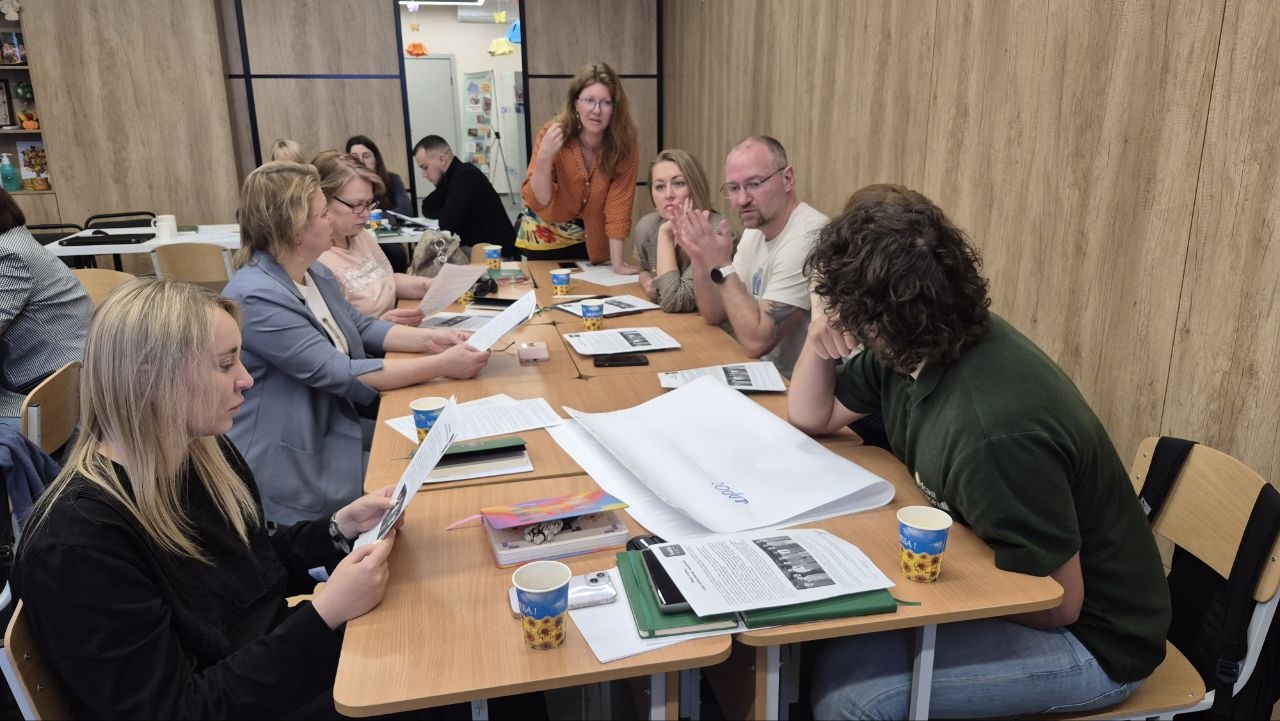
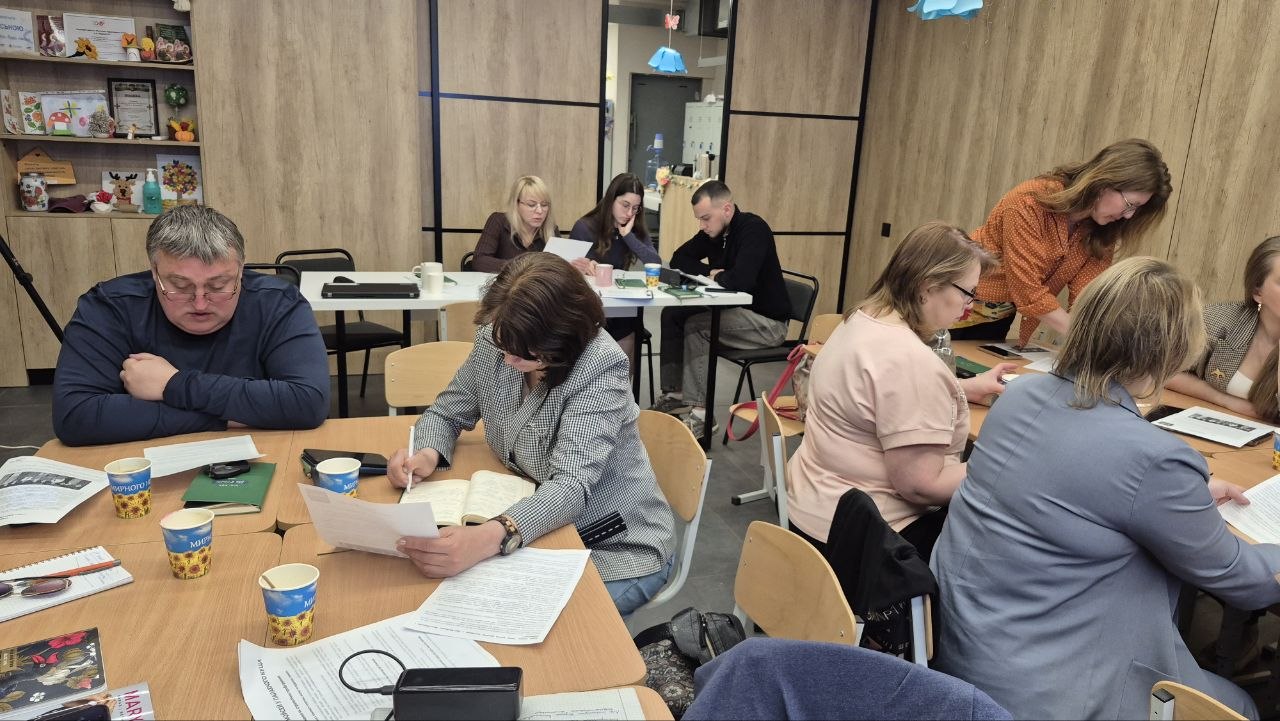
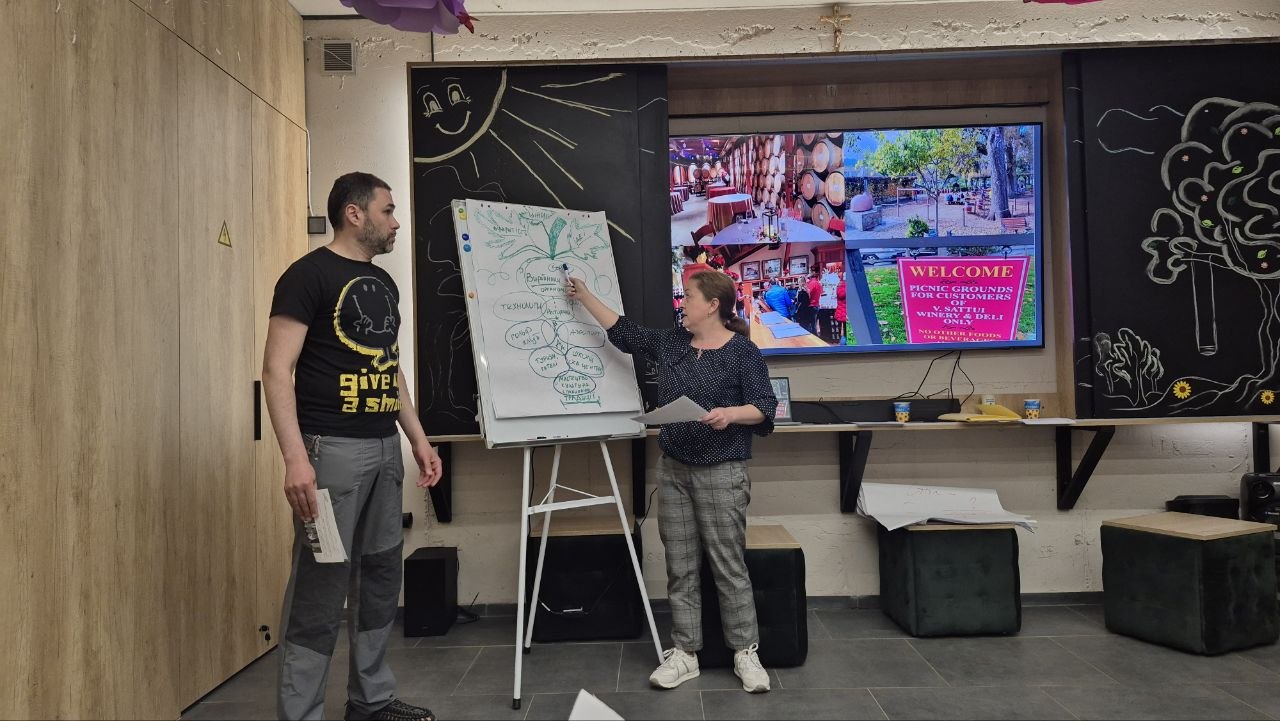
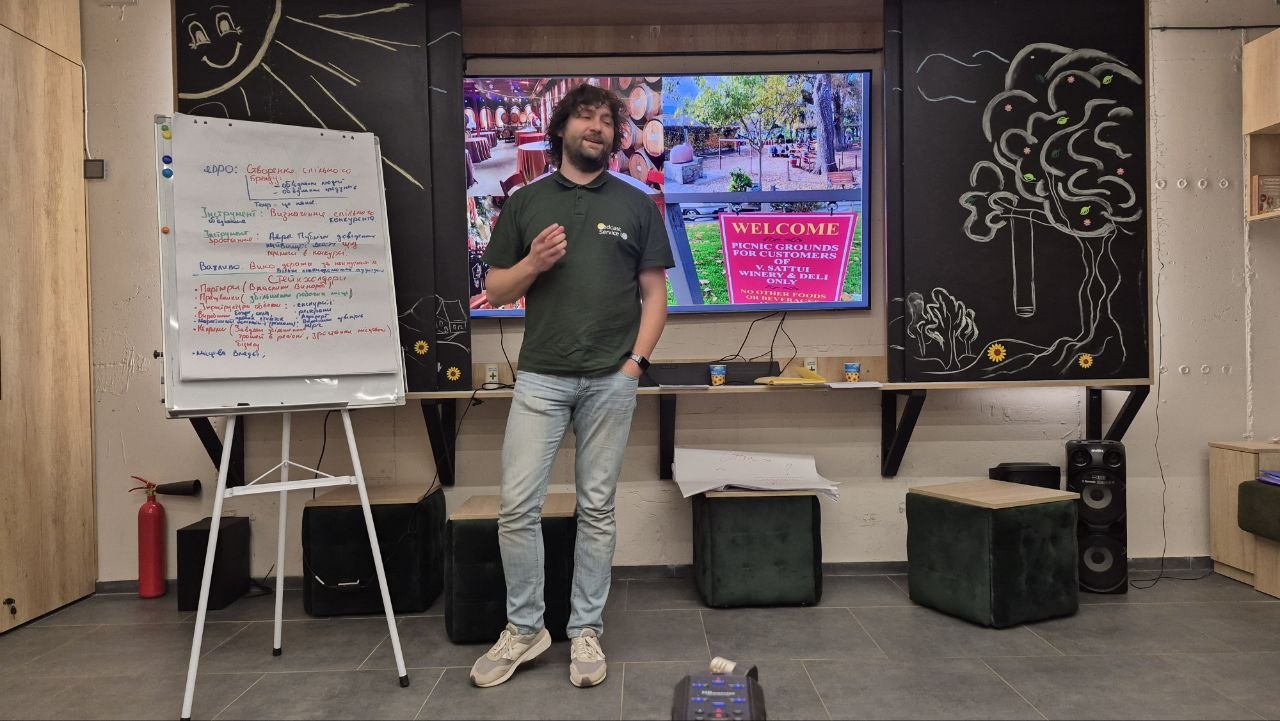
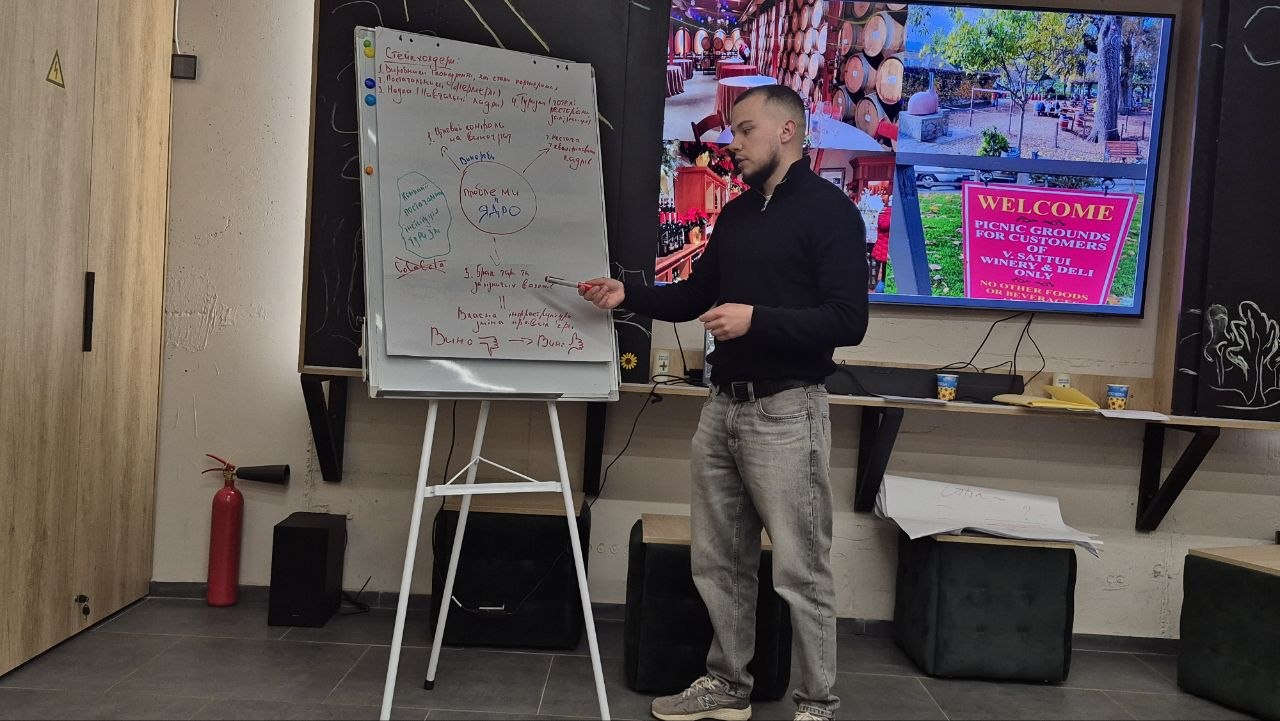
Practical aspects of cluster creation were also discussed during the lecture: identifying core specializations, forming value chains, developing infrastructure and education, and fostering partnerships among various economic actors.
The program organizers emphasize that developing cluster thinking can serve as one of the key tools for the economic recovery and sustainable development of Ukrainian regions amid post-war challenges.
Press Service of the Patriarchal Foundation “Mudra Sprava”