Educational Initiatives as a Response to Contemporary Needs: The UGCC Consultation Center Shapes a New Management Culture in Communities
February 19, 2026
The UGCC Consultation Center reports a growing demand among the clergy for systematic knowledge in legislation, finance, and the management of religious organizations. This initiative addresses not only administrative matters but also the cultivation of a new management culture within communities.
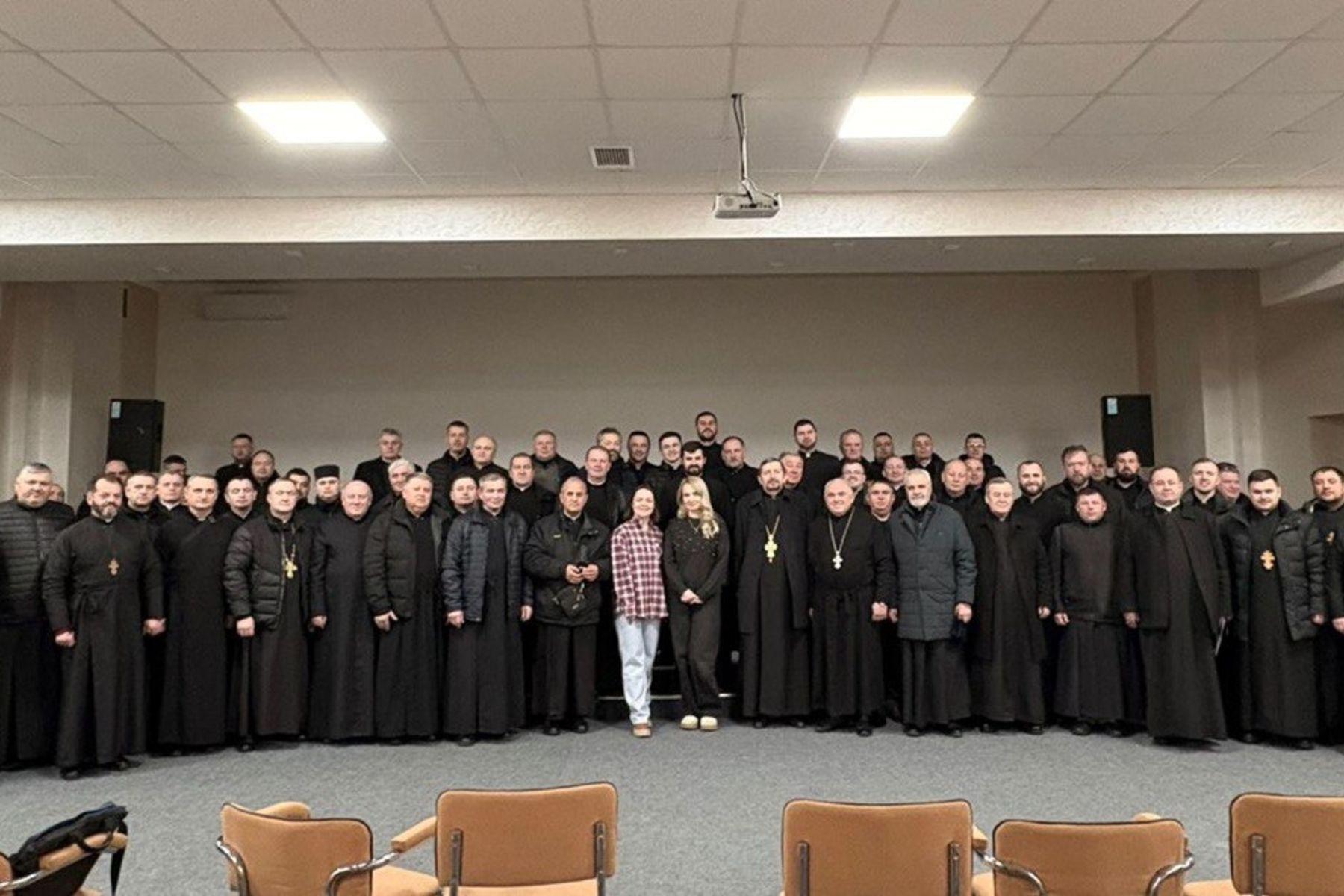
“We are witnessing the emergence of a new generation of priests who seek not only to diligently fulfill their pastoral ministry but also to responsibly manage parish resources—thereby ensuring sustainability, transparency, and legal security,” representatives of the UGCC Consultation Center noted.
A Two-Day Training Session for Nearly 200 Priests
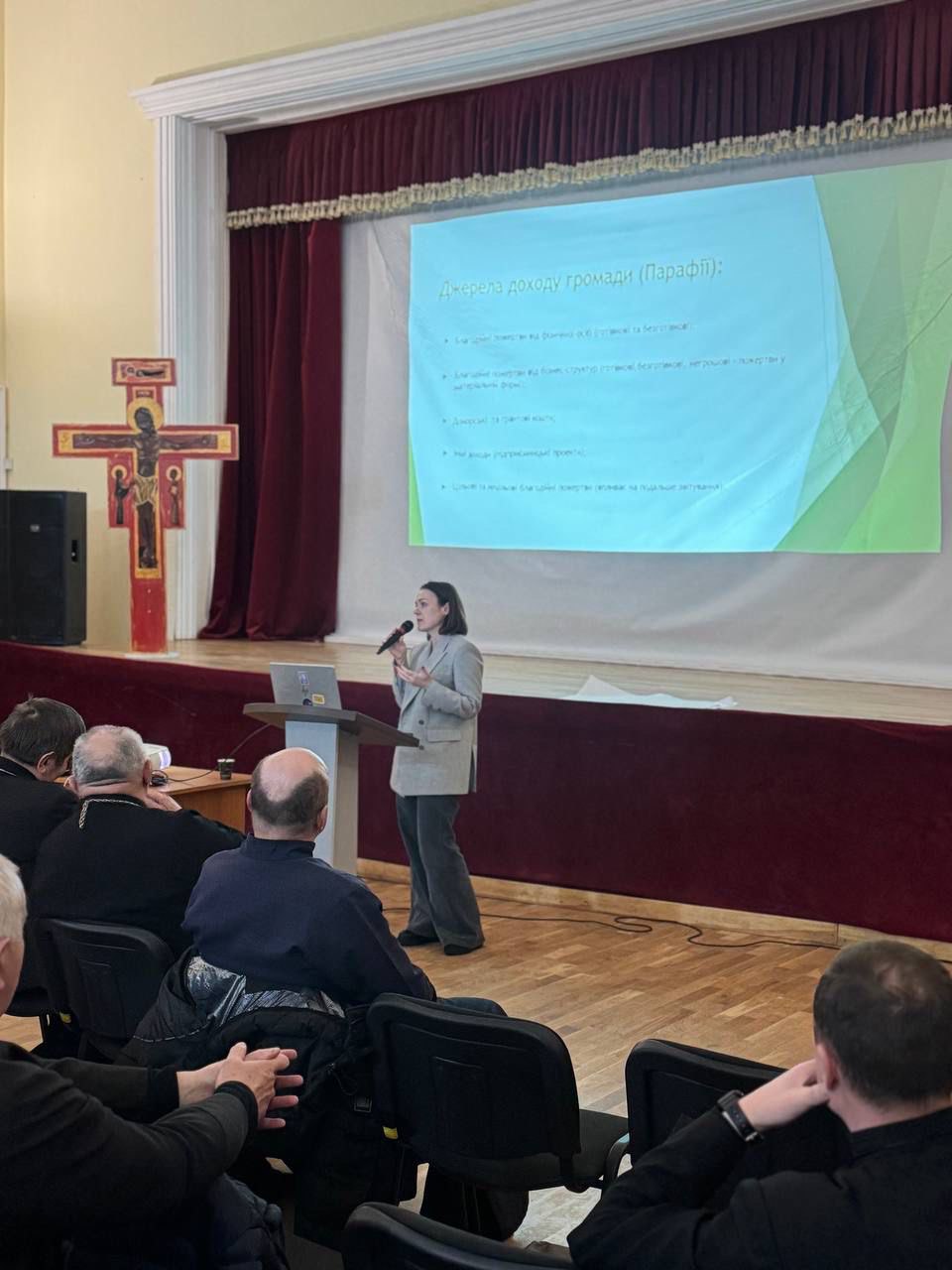
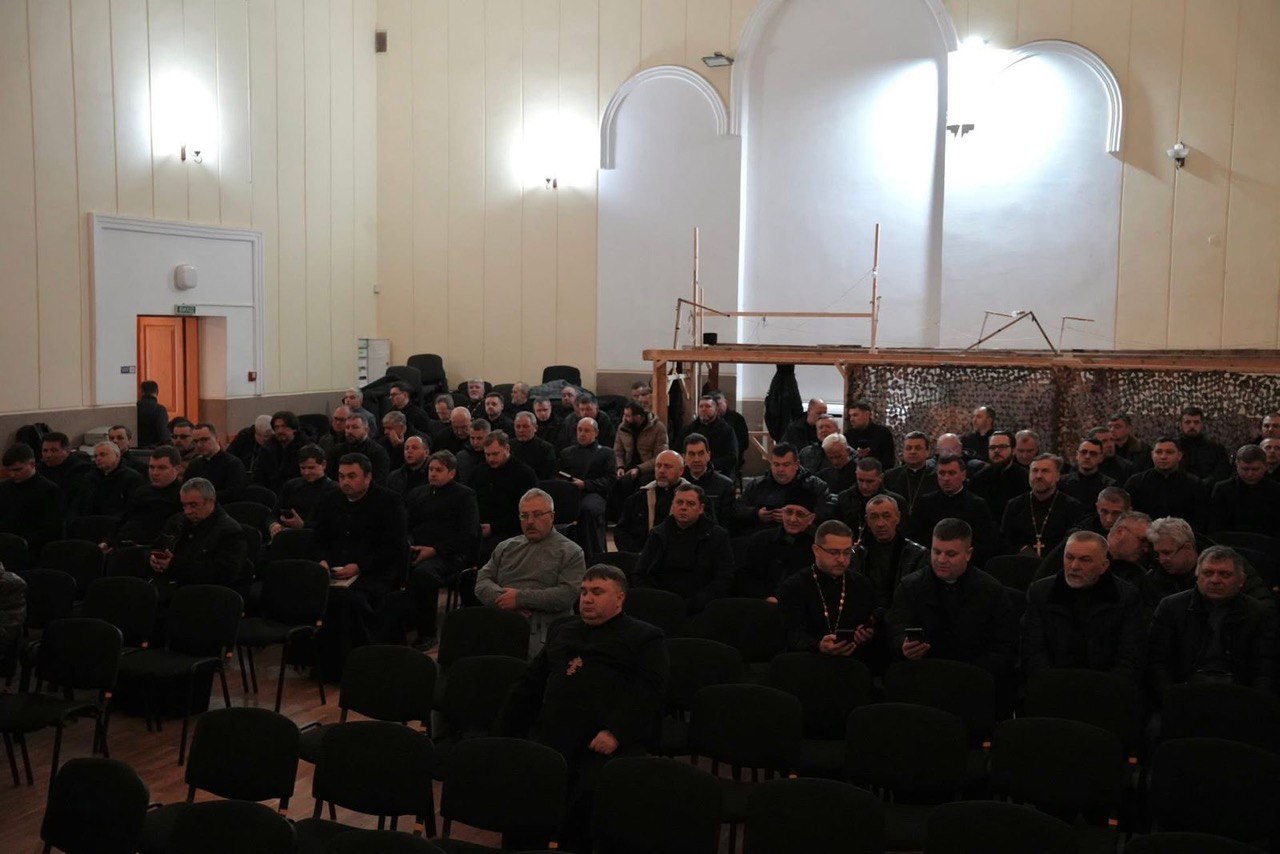
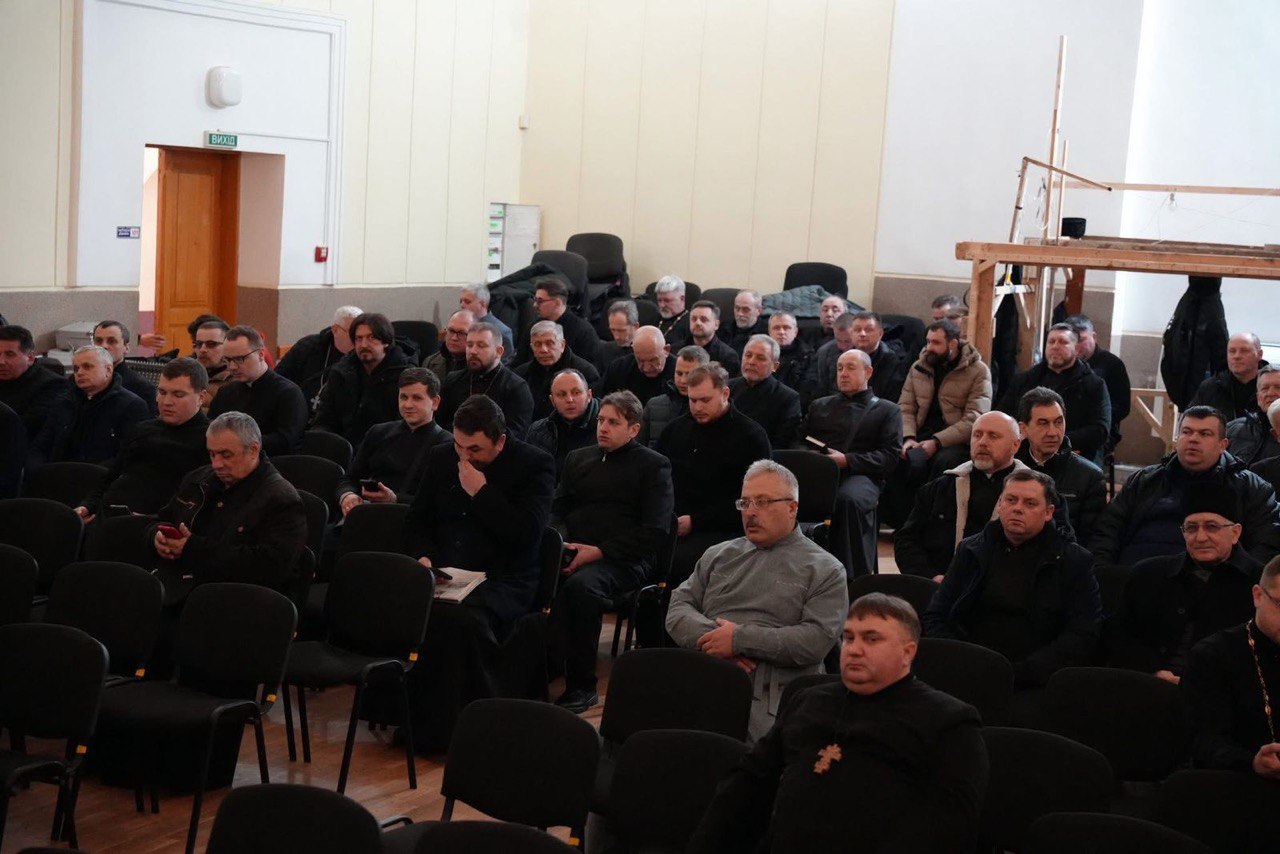
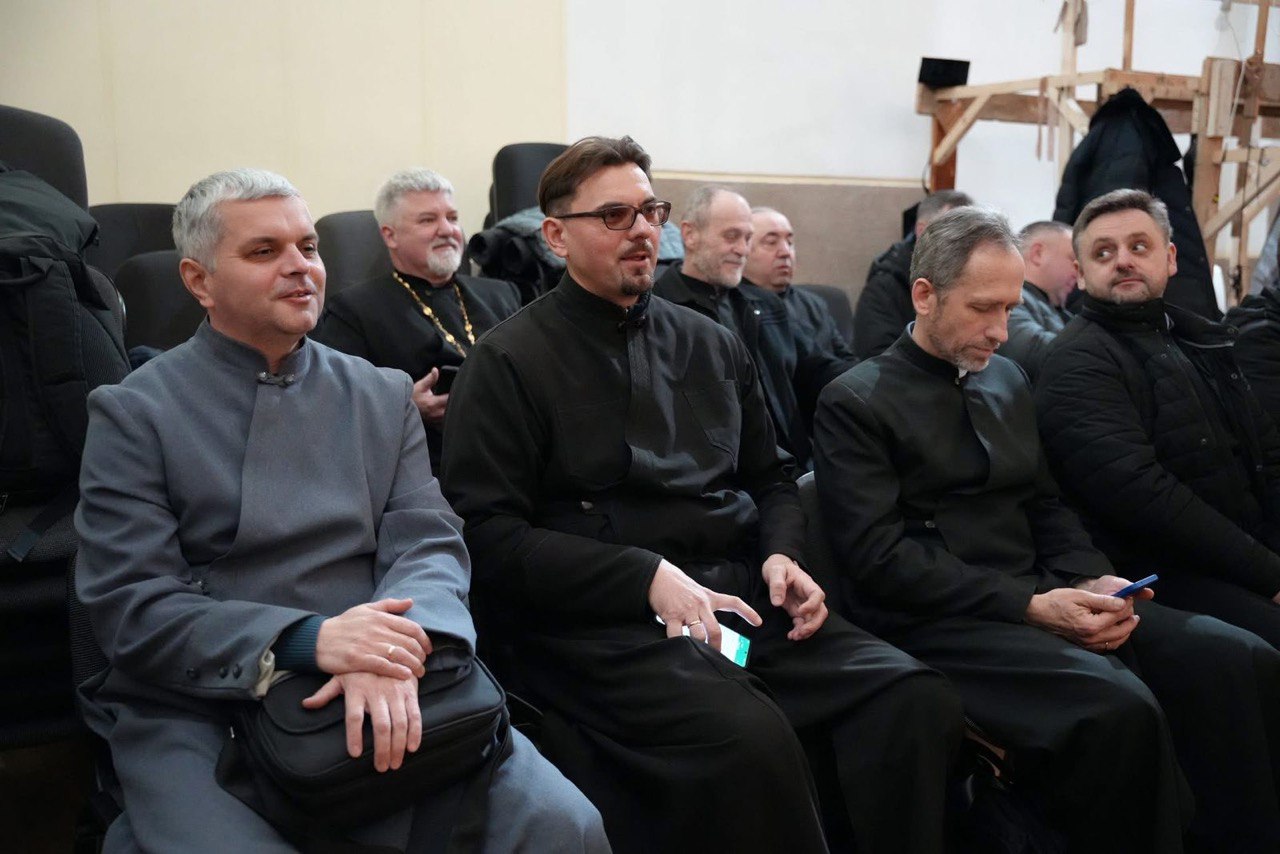
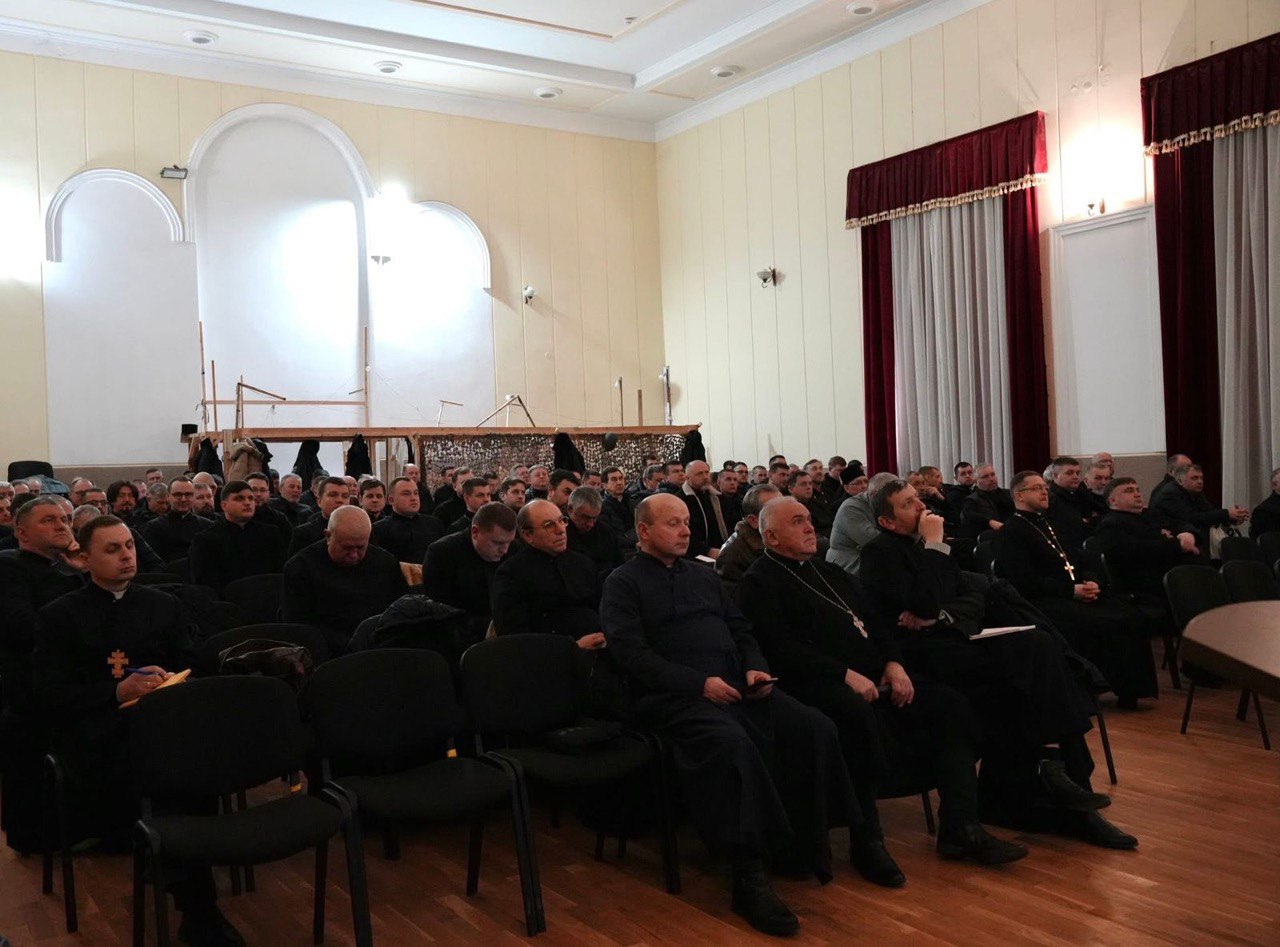
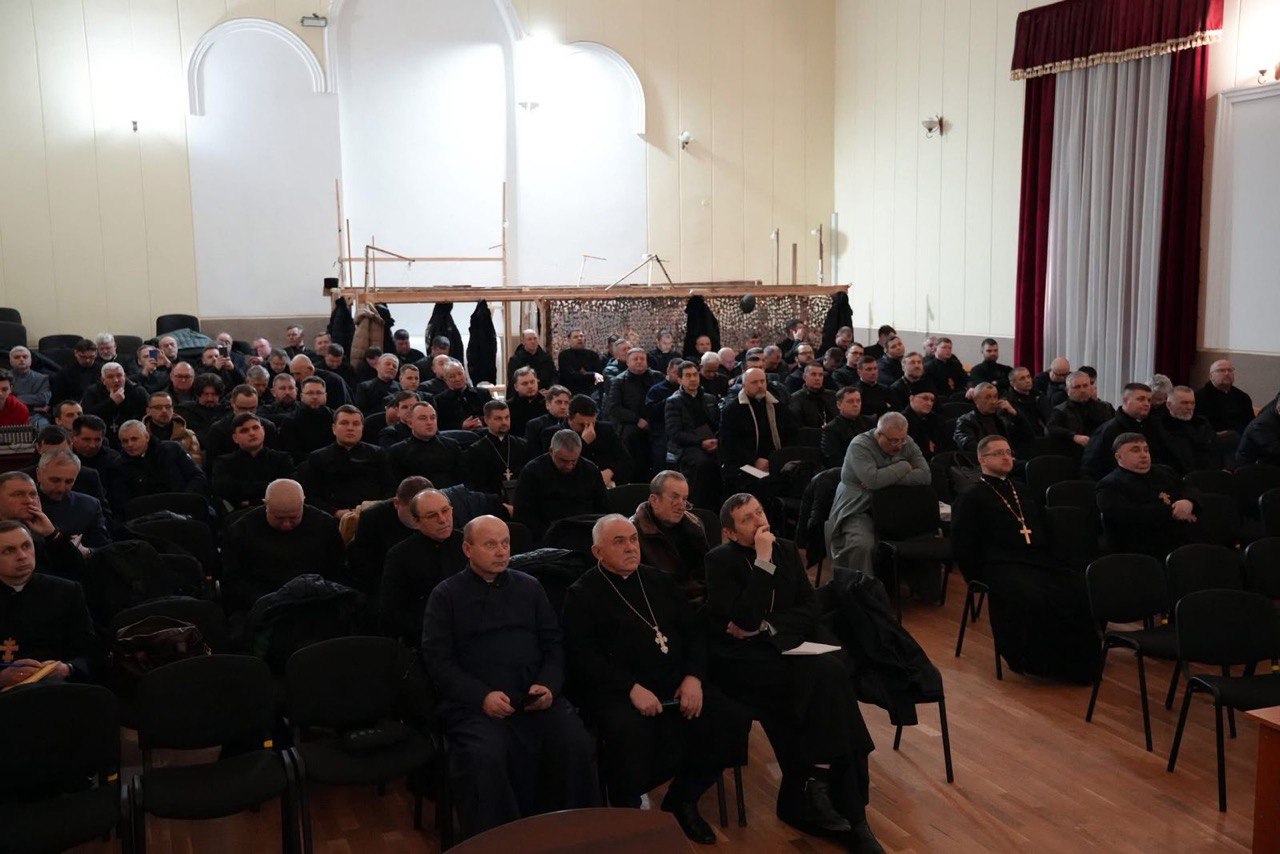
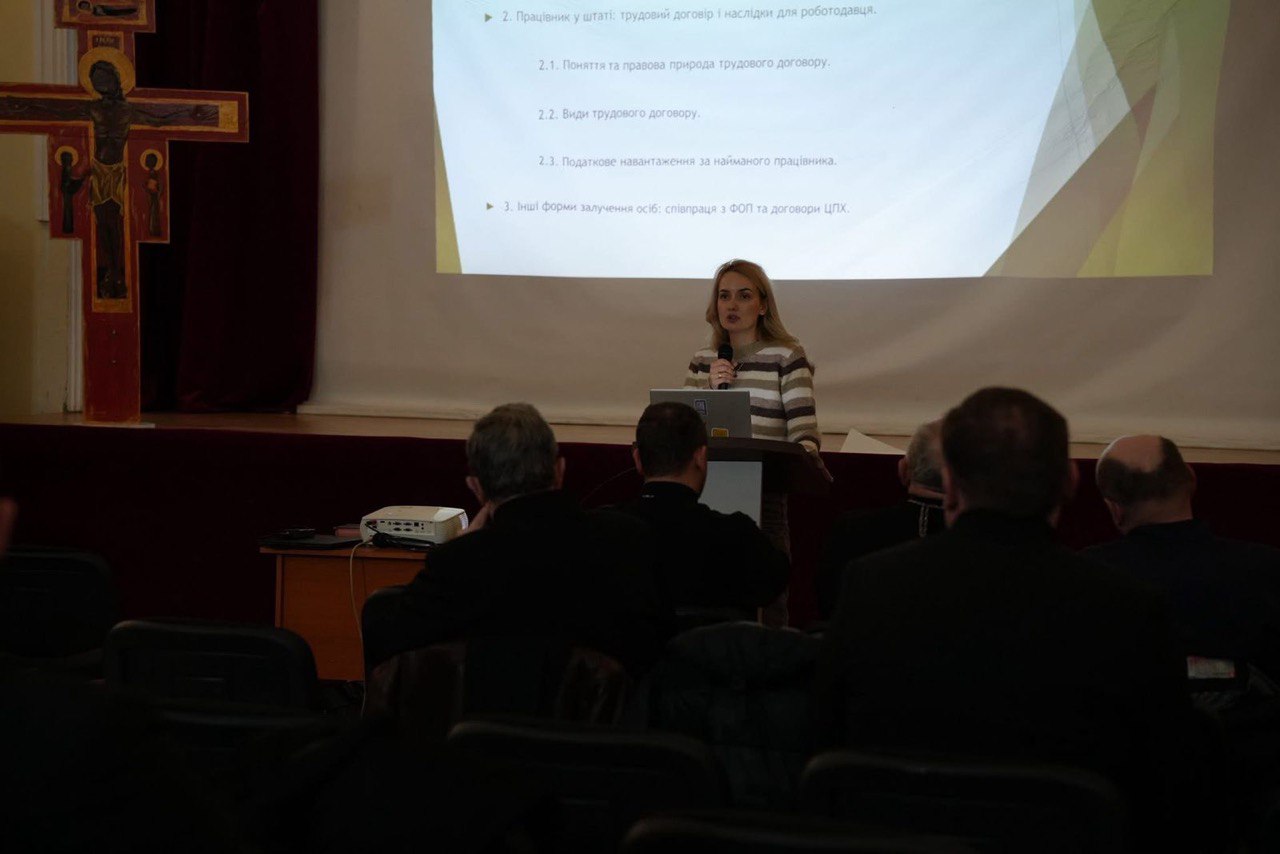
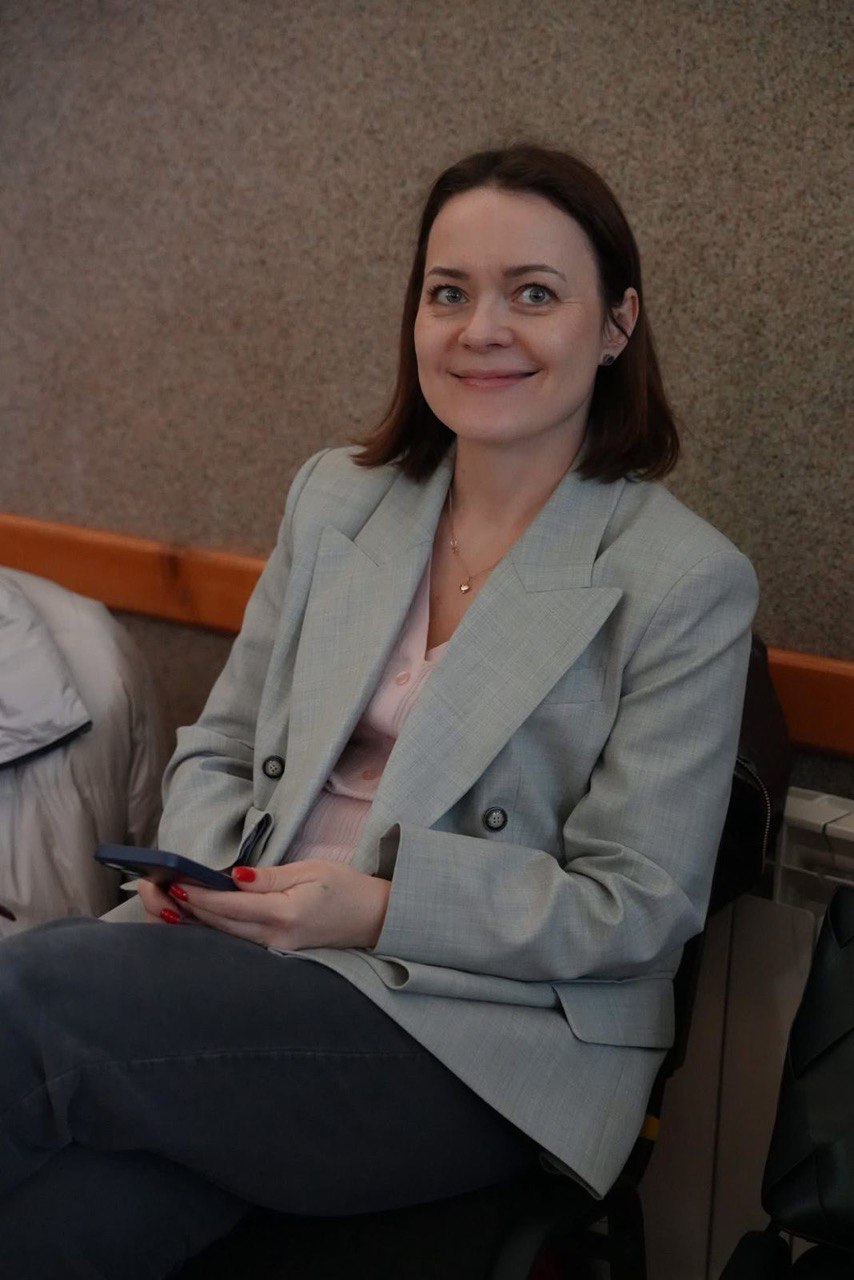
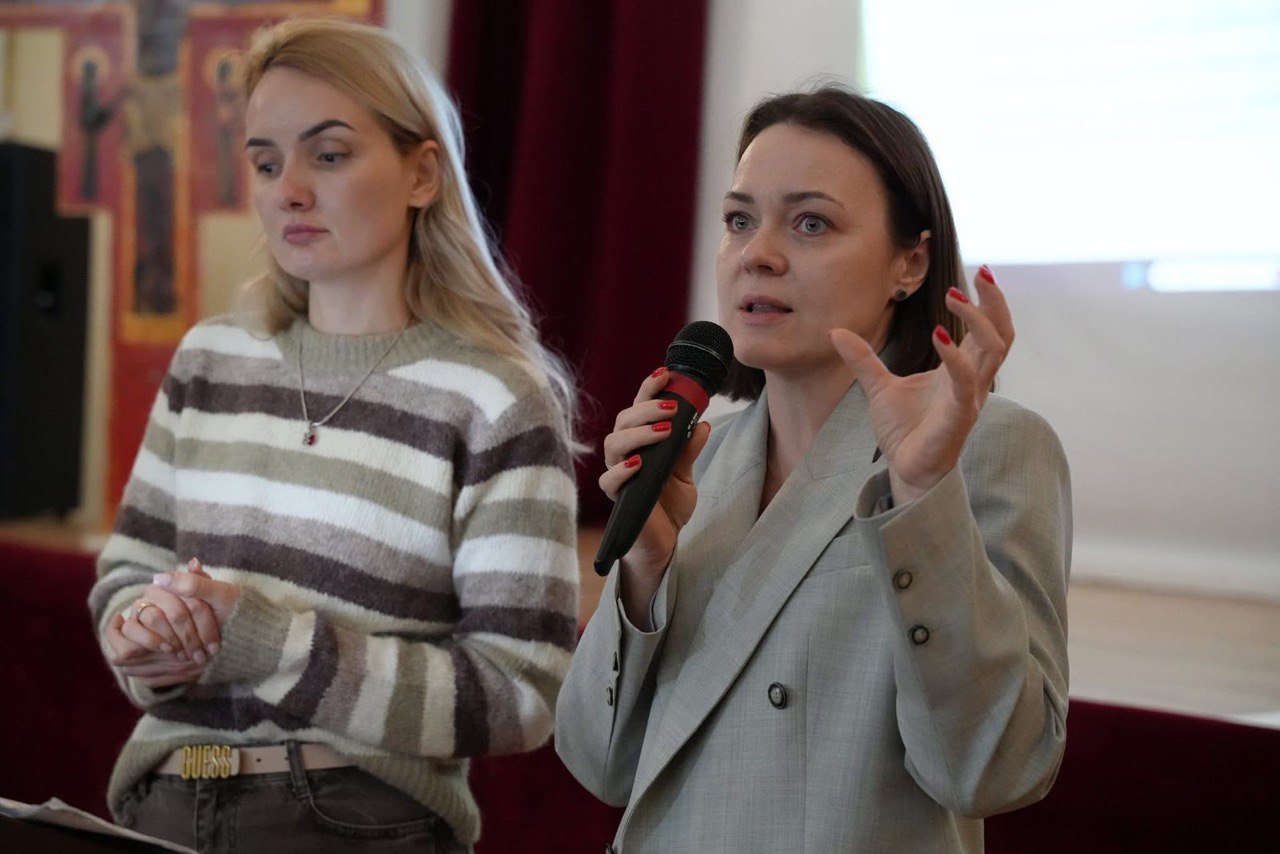
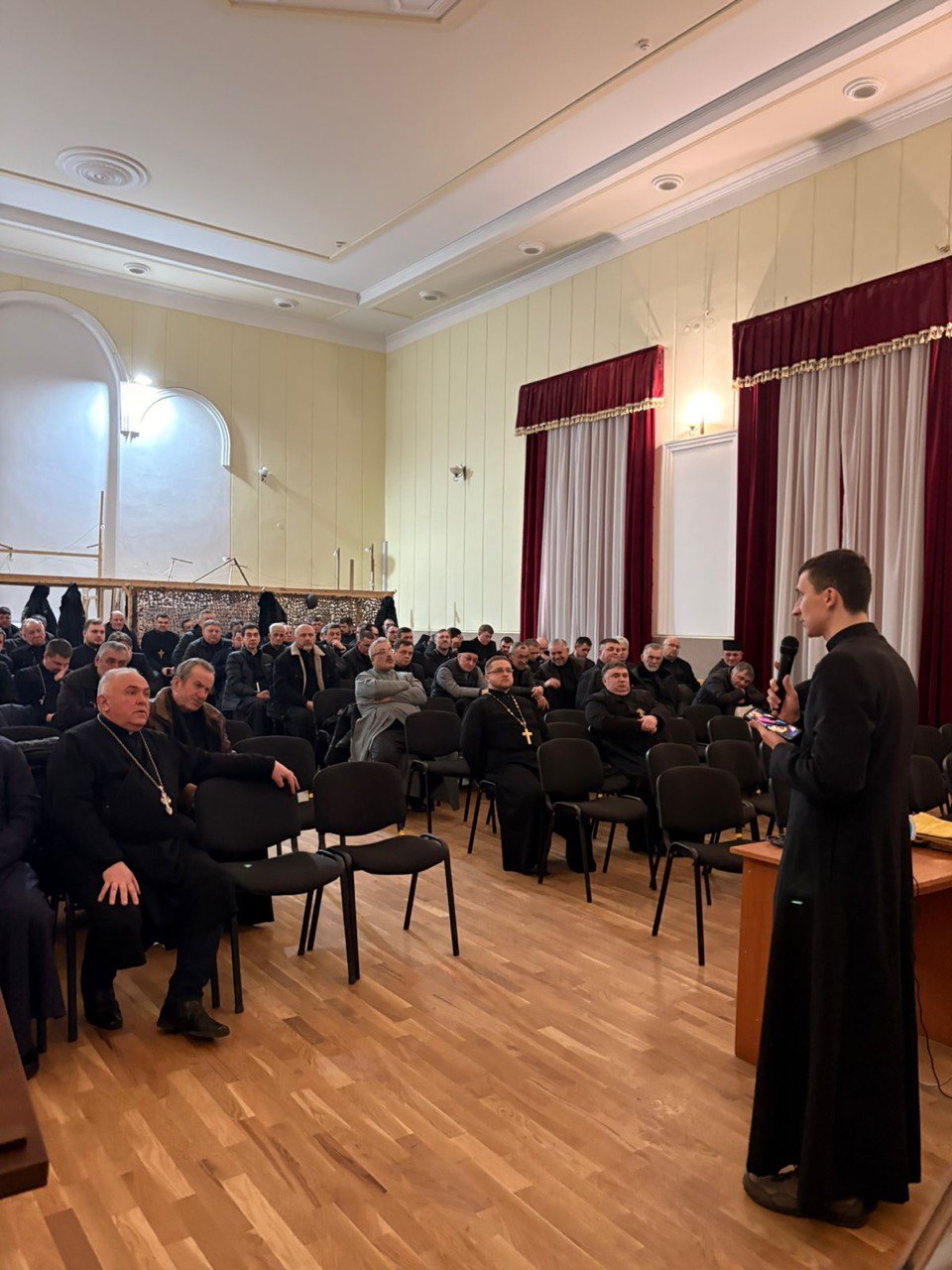
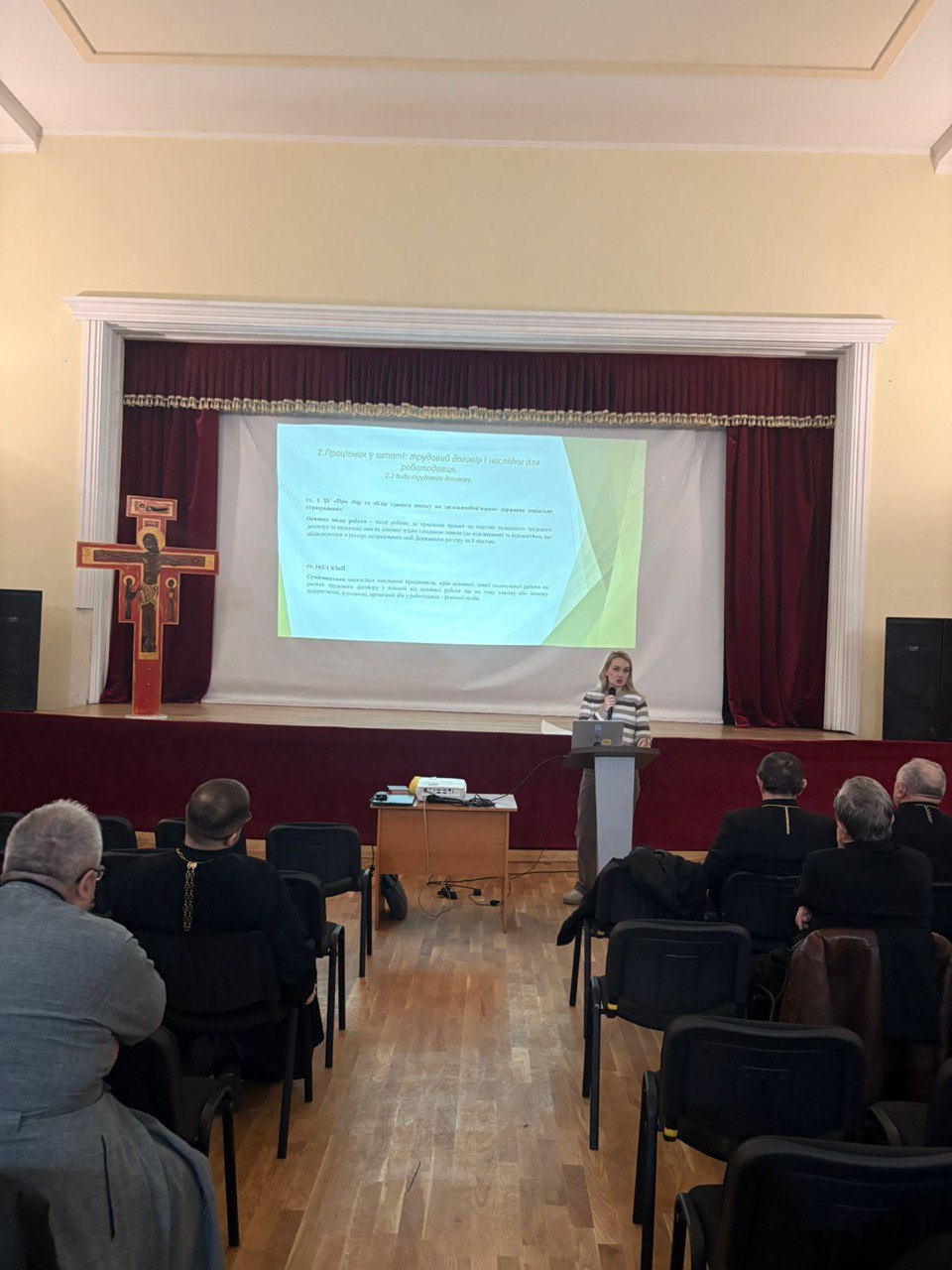
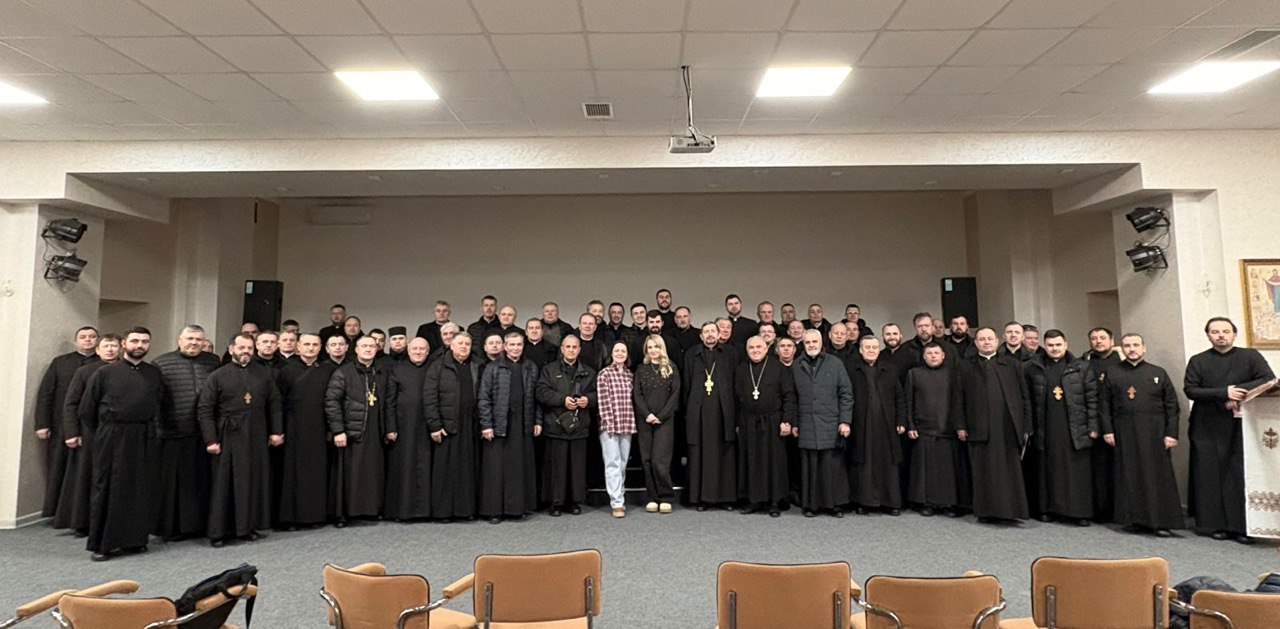
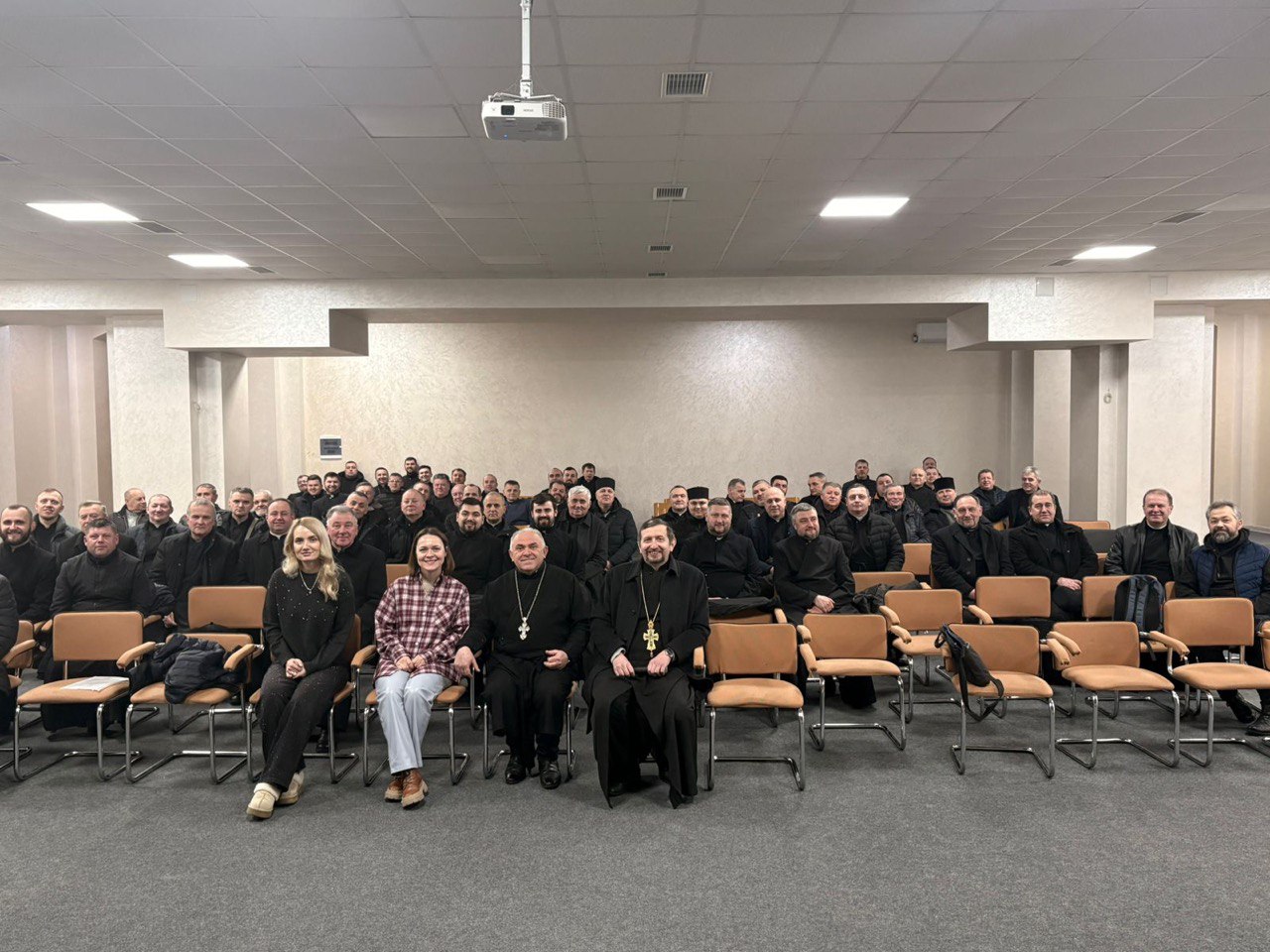
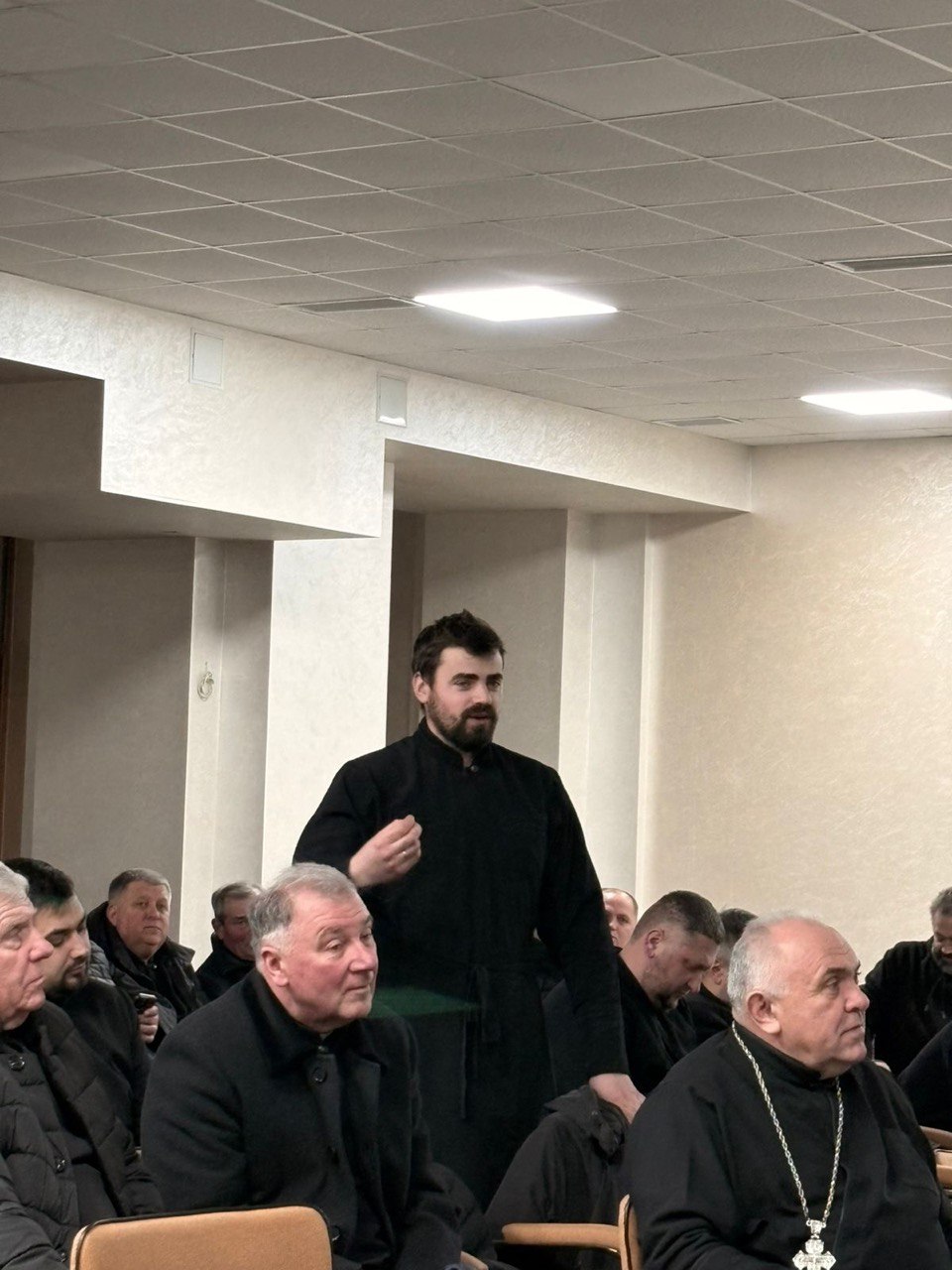
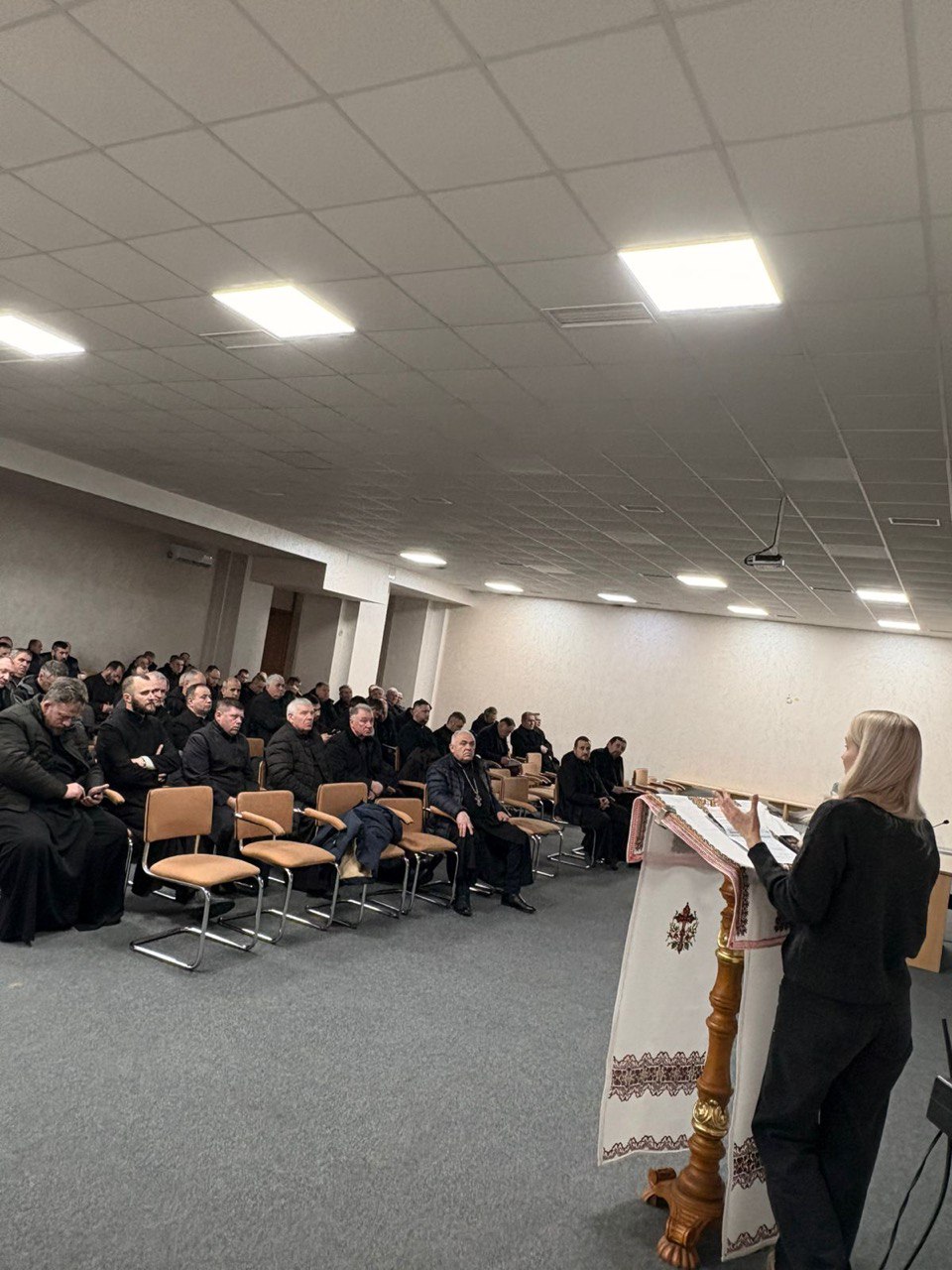
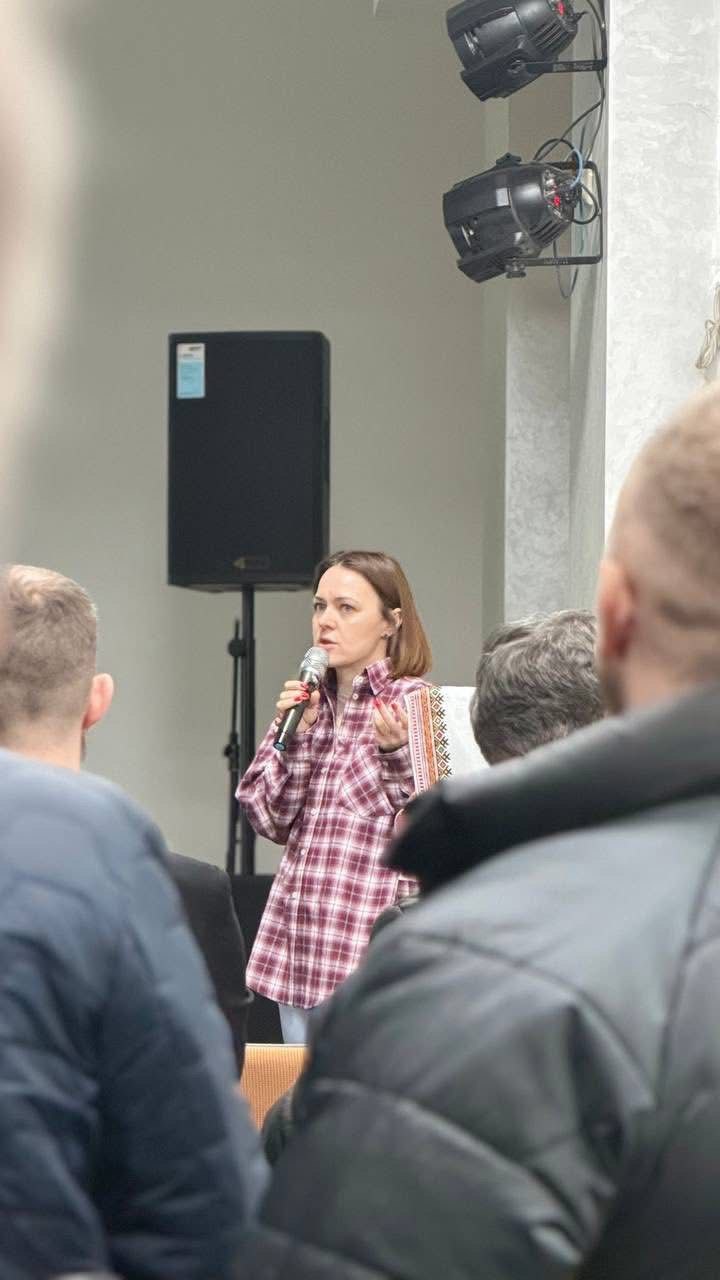
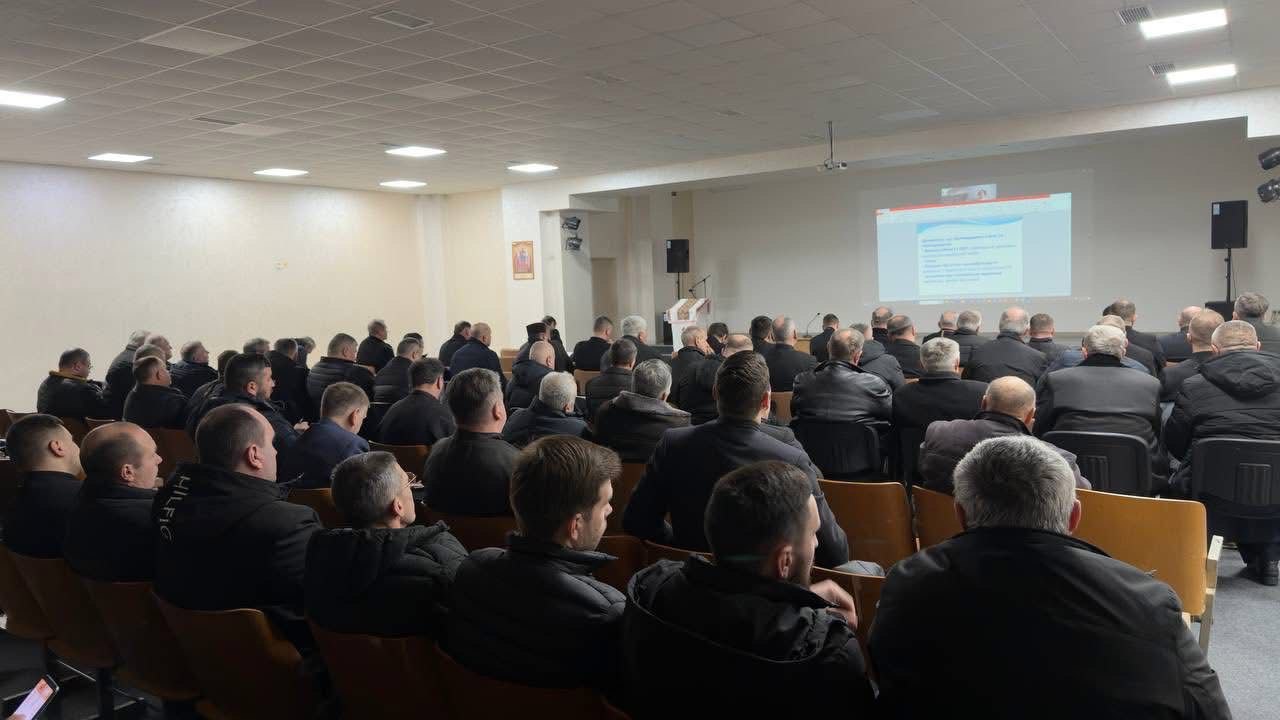
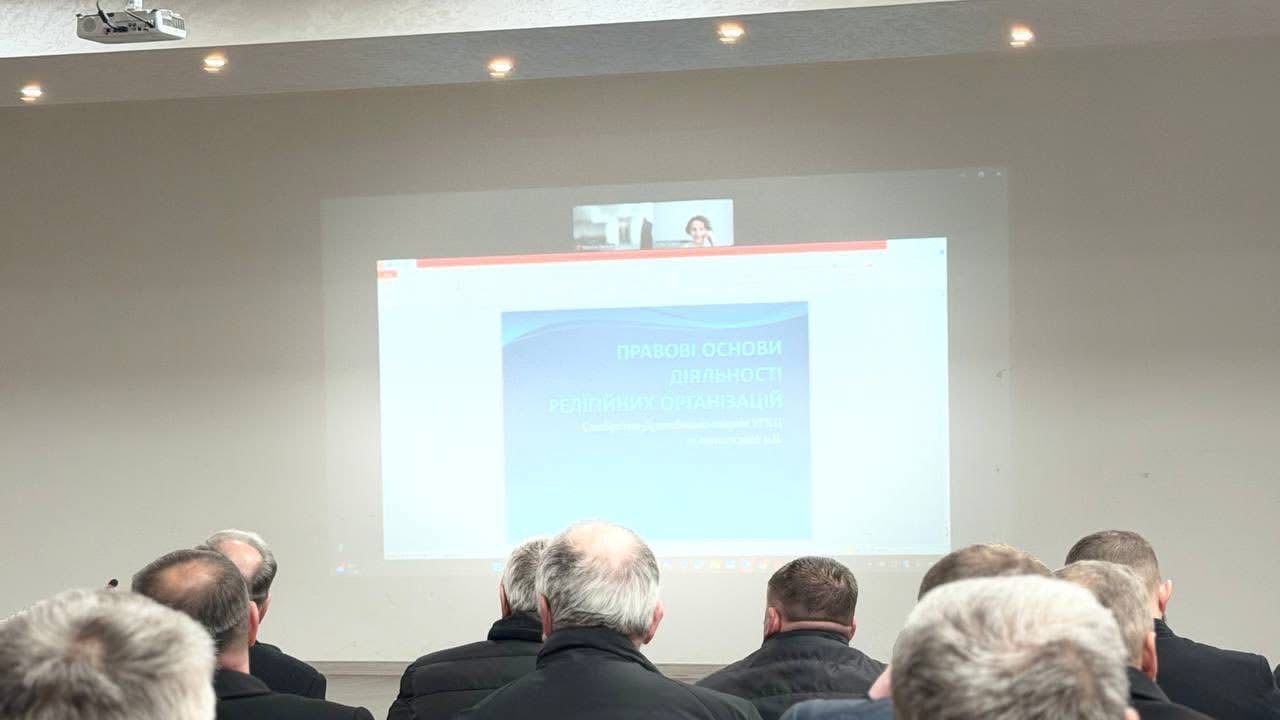
One of the Center’s largest educational initiatives to date was a two-day training seminar for clergy held on February 17–18, 2026. The event was conducted within the framework of the Institute for Permanent Formation of Clergy of the Sambir-Drohobych Eparchy, following an invitation from the Economic Department of the Sambir-Drohobych Eparchy of the UGCC.
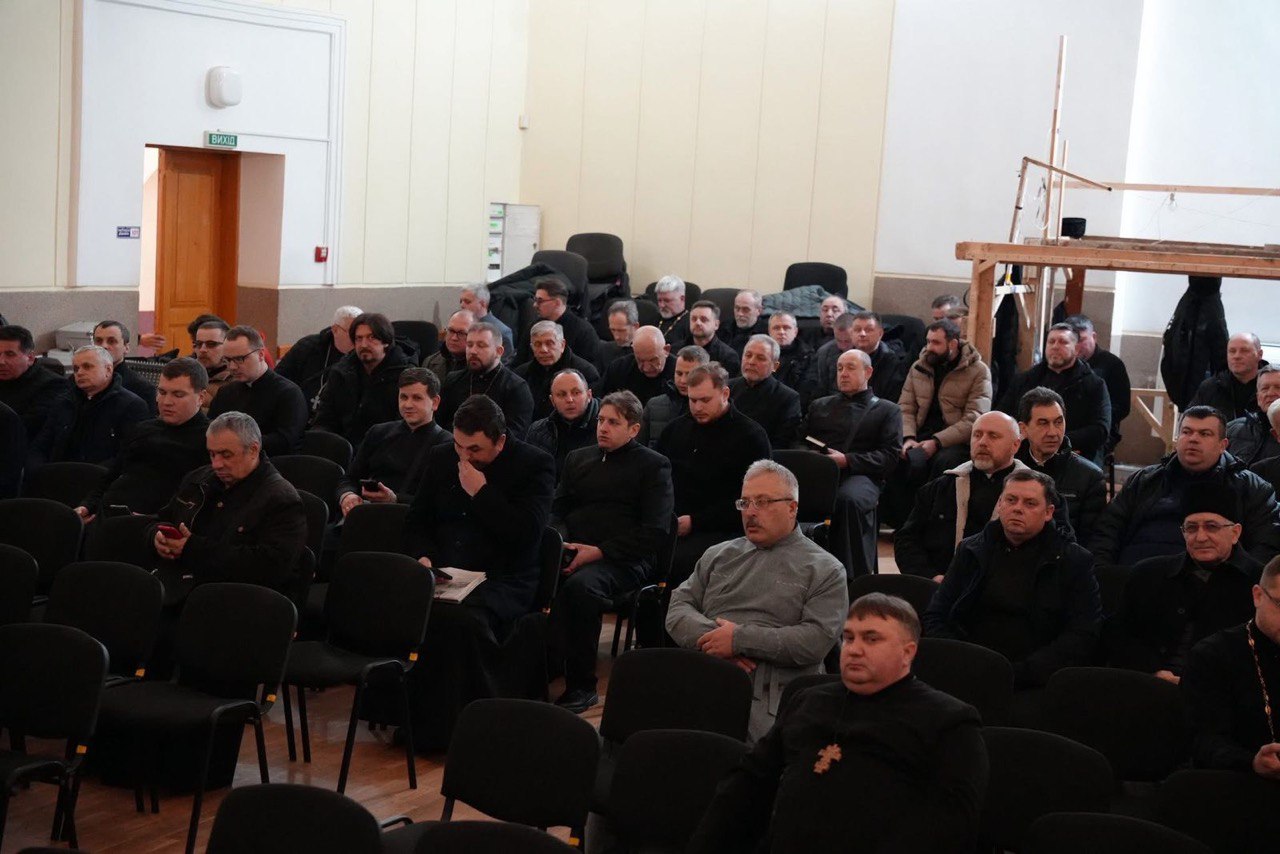
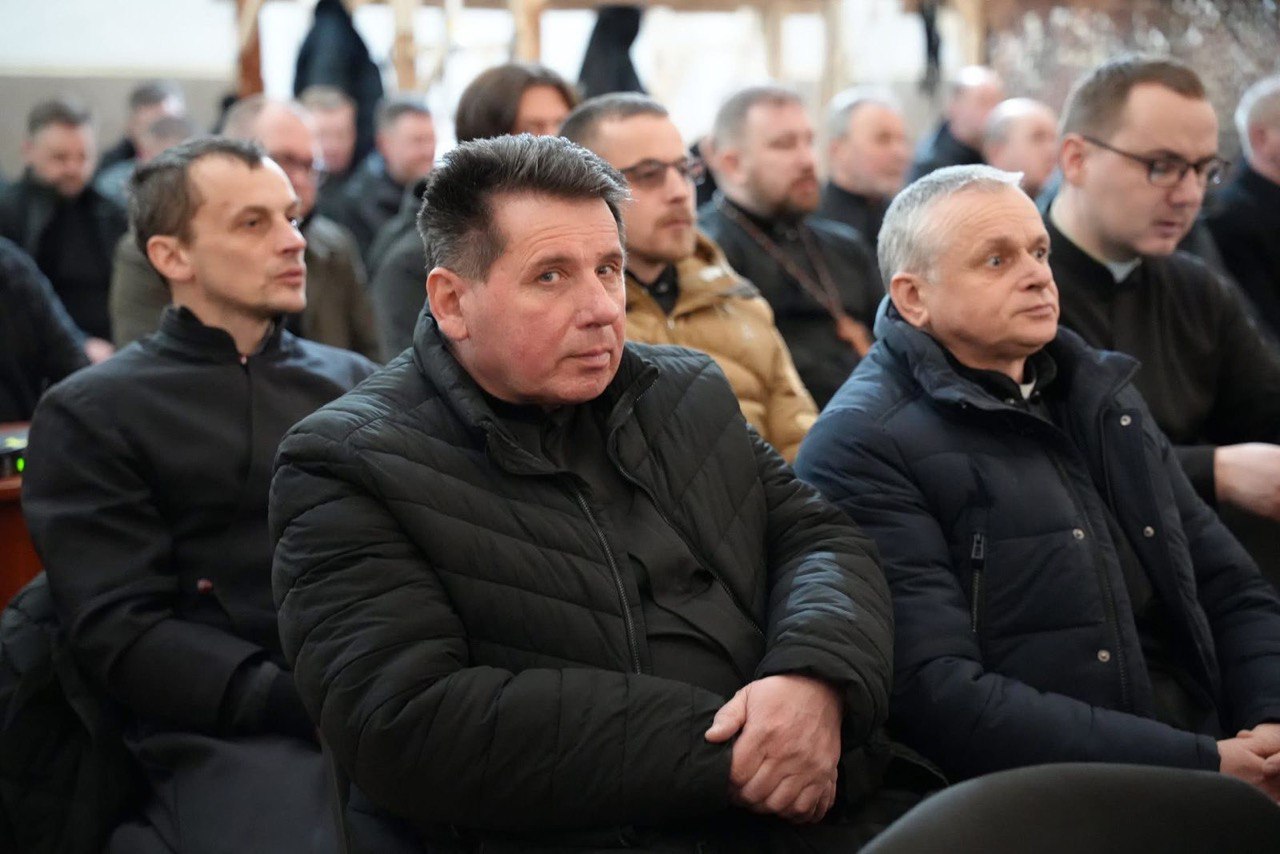
The training took place in Sambir on February 17 and in Drohobych on February 18. In total, approximately 200 priests participated in the sessions.
“It is vital for us that our educational initiatives remain highly practical and directly address the real-world challenges that parishes encounter on a daily basis,” the Center emphasized.
Three Thematic Blocks: Law, Personnel Models, and Financial Sustainability
The educational curriculum consisted of three thematic blocks, combining both online and offline formats:
- Legal Foundations of Religious Organizations: Focused on charter documents, the regulatory framework, reporting requirements, and basic compliance criteria for legal operations and bank account maintenance. The Center highlights that this knowledge serves as the “necessary minimum for every priest leading a parish.”
- Legal Models for Human Resources and Engagement: Covered employment and civil-law contracts, collaboration with individual entrepreneurs, and volunteer management, detailing both the benefits and potential legal risks.
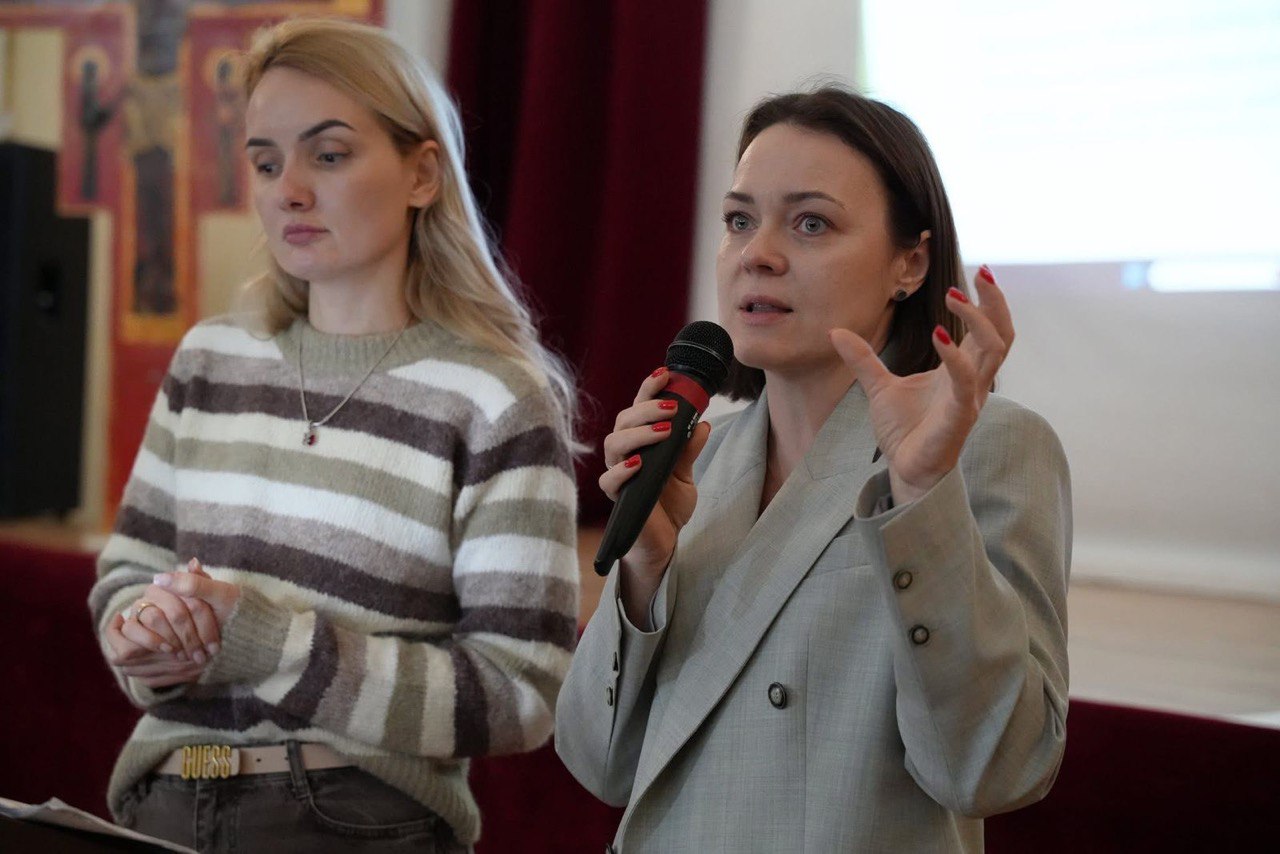
“We thoroughly analyzed common mistakes and practical case studies to enable religious organizations to operate efficiently, legally, and safely,” the Consultation Center stated.
- Financial Sustainability of Parishes: Focused on budgeting, planning, revenue streams, expenditure management, and the role of the priest as a community administrator.
“Regardless of whether a parish is large or small, planning is an indispensable tool. It allows for a realistic assessment of resources, community needs, and long-term development prospects,” the Center underscored.
Active Dialogue and Long-Term Cooperation
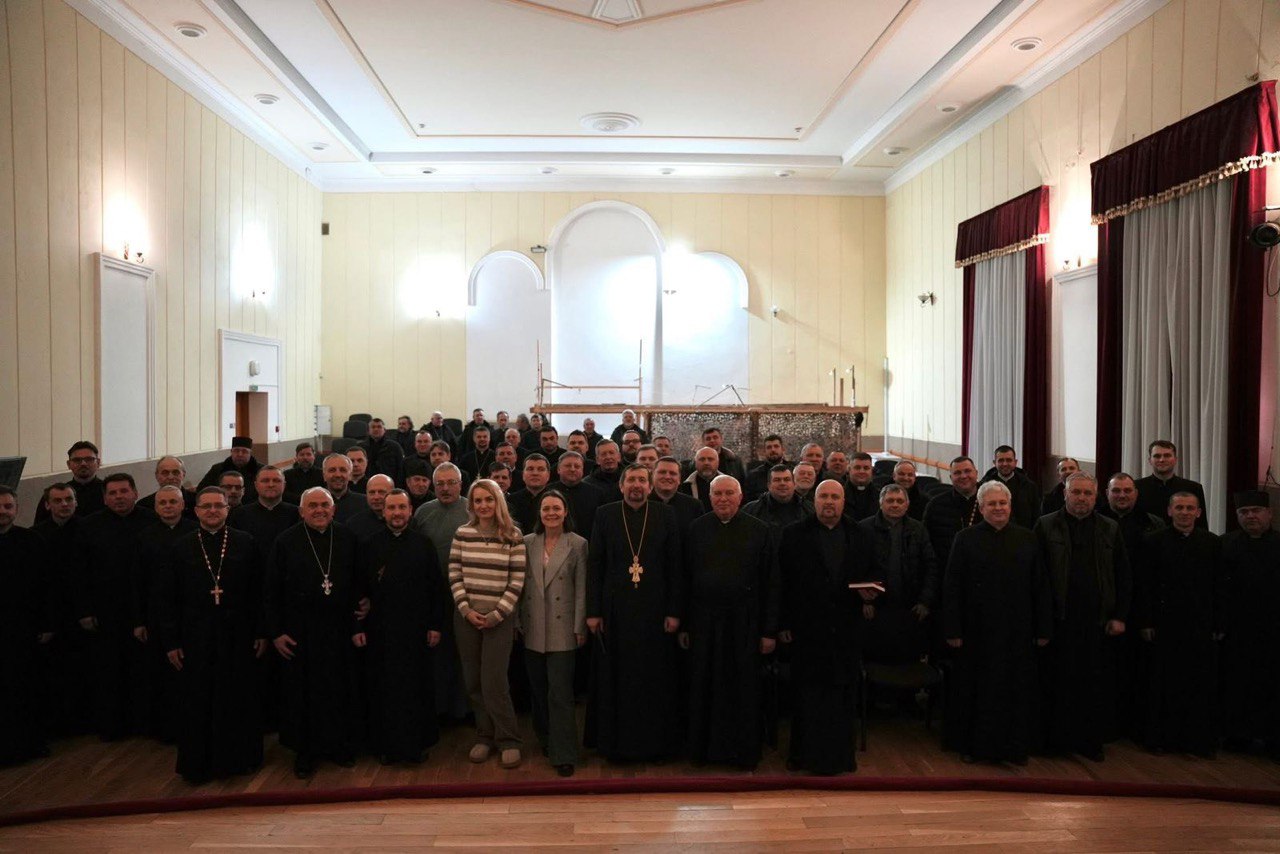
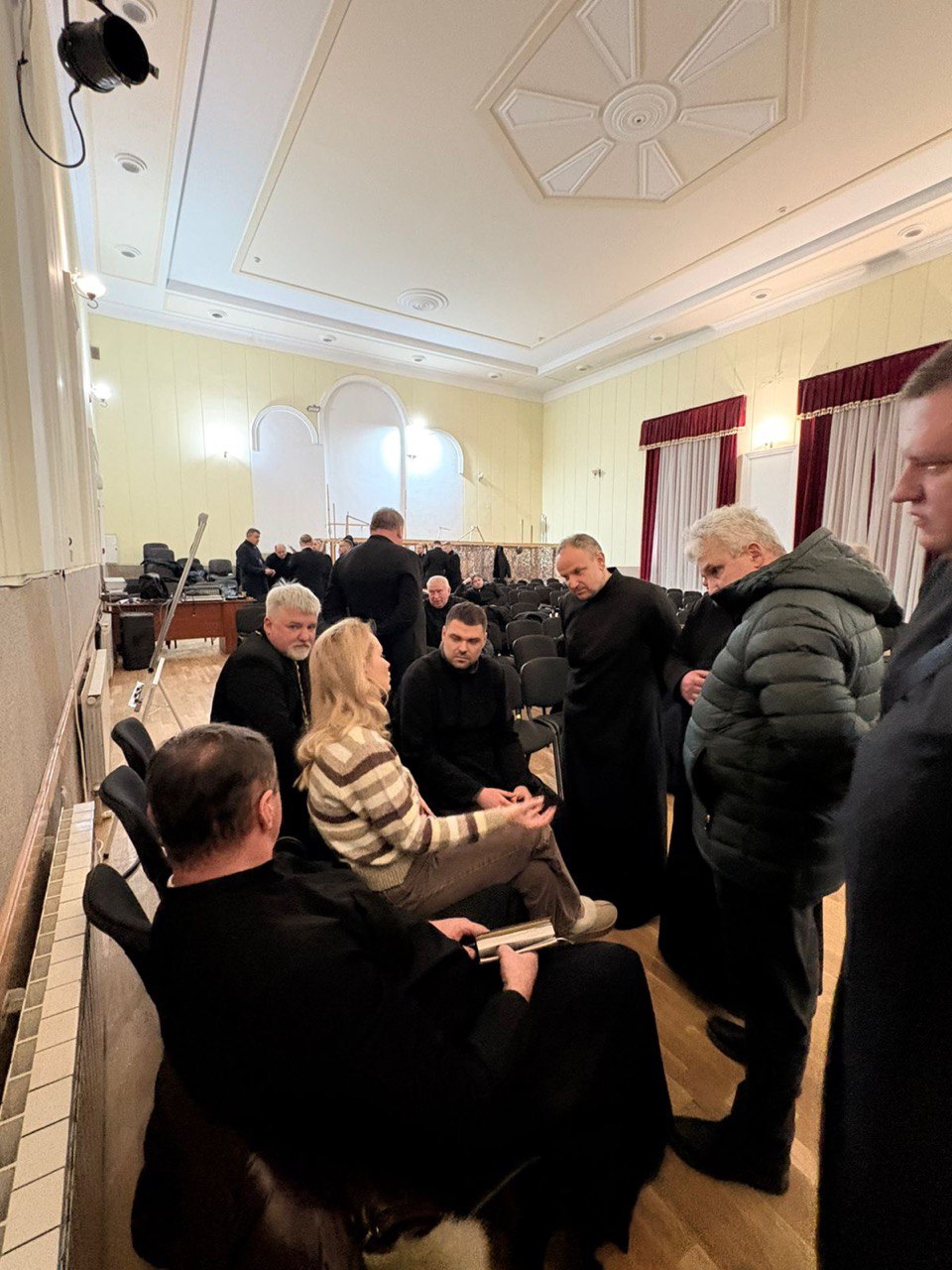
The training was conducted in a highly interactive format. The priests raised questions, shared their personal experiences, and discussed the common bottlenecks arising in daily parish administration. The feedback gathered during these sessions will serve as the foundation for planning future educational initiatives.
“For us, this is not a one-time event, but part of a long-term cooperation. Together with the clergy and the eparchy, we share a mutual interest in the financial sustainability, legal protection, and effective ministry of our communities,” concluded the UGCC Consultation Center.
The Center emphasizes that the growing interest in such training proves a clear understanding within the Church: investing in knowledge today is an investment in a stable future for parish communities.
Press Service of the Patriarchal Foundation “Mudra Sprava”