During the Second Module of the “Action in Hope” Program in Odesa, Participants Learned to Build Marketing That Fosters Trust
July 13, 2026
On July 11 in Odesa, as part of the second module of the “Action in Hope” mini-MBA educational and awareness program organized by the Patriarchal Foundation “Mudra Sprava,” a lecture on marketing was held by marketing consultant and co-founder of “The Digital State” agency, Yuliia Maruniak.
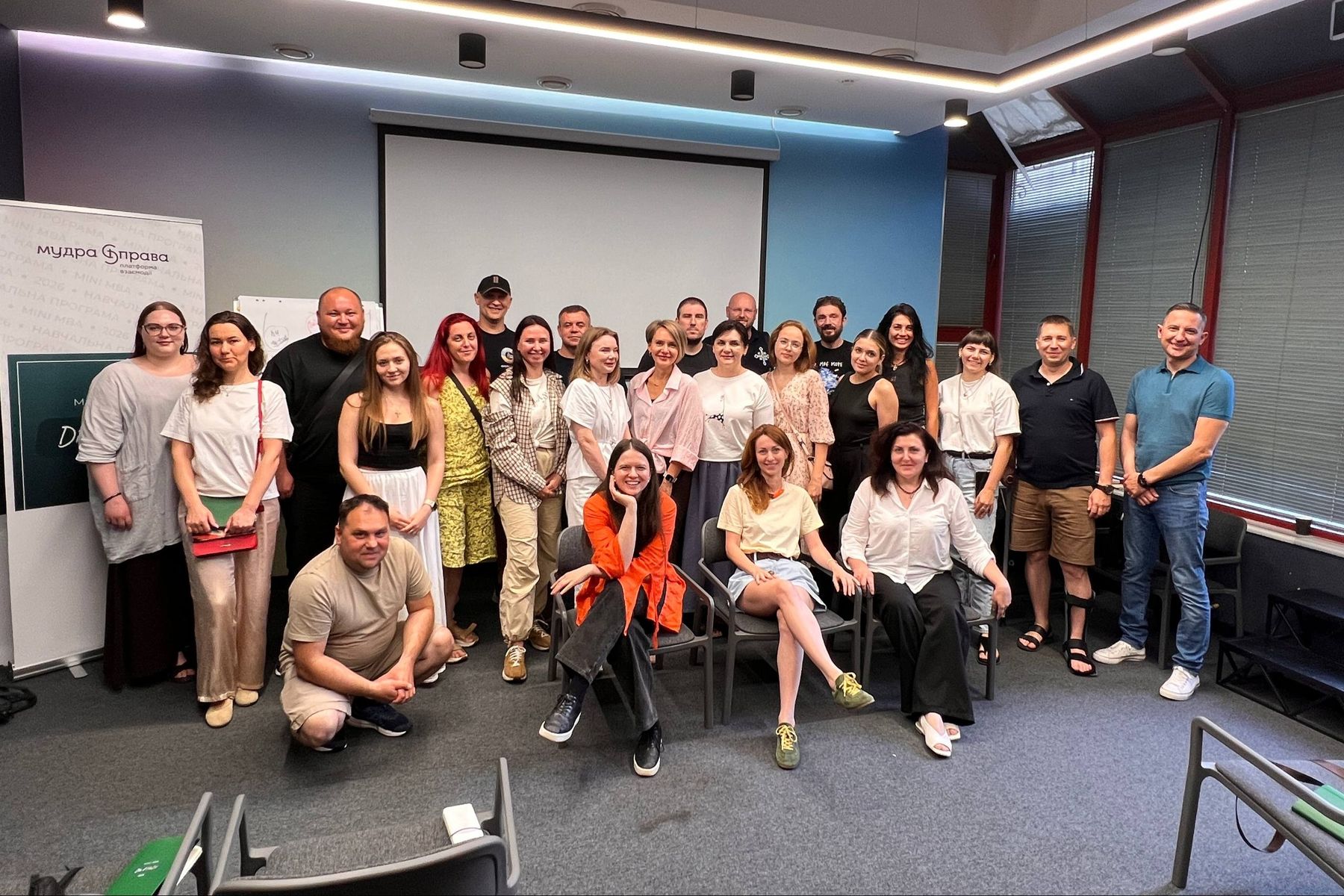
The program participants included volunteers, heads of charitable organizations, business representatives, lawyers, doctors, educators, and community leaders working on developing their own initiatives and striving to make them more effective and sustainable.
During the lecture, Yuliia Maruniak emphasized that modern marketing is not merely a promotional tool, but above all a development strategy for an organization or business. According to her, a strong brand is shaped not by advertising, but by a clear understanding of one’s value, the needs of the audience, and consistent communication.
The speaker paid special attention to the leader’s personal brand. She highlighted that people primarily trust people, not logos or companies. That is why authenticity, openness, clear values, and expertise become crucial factors in the growth of any endeavor. At the same time, a personal brand requires systematic work rather than situational activity.
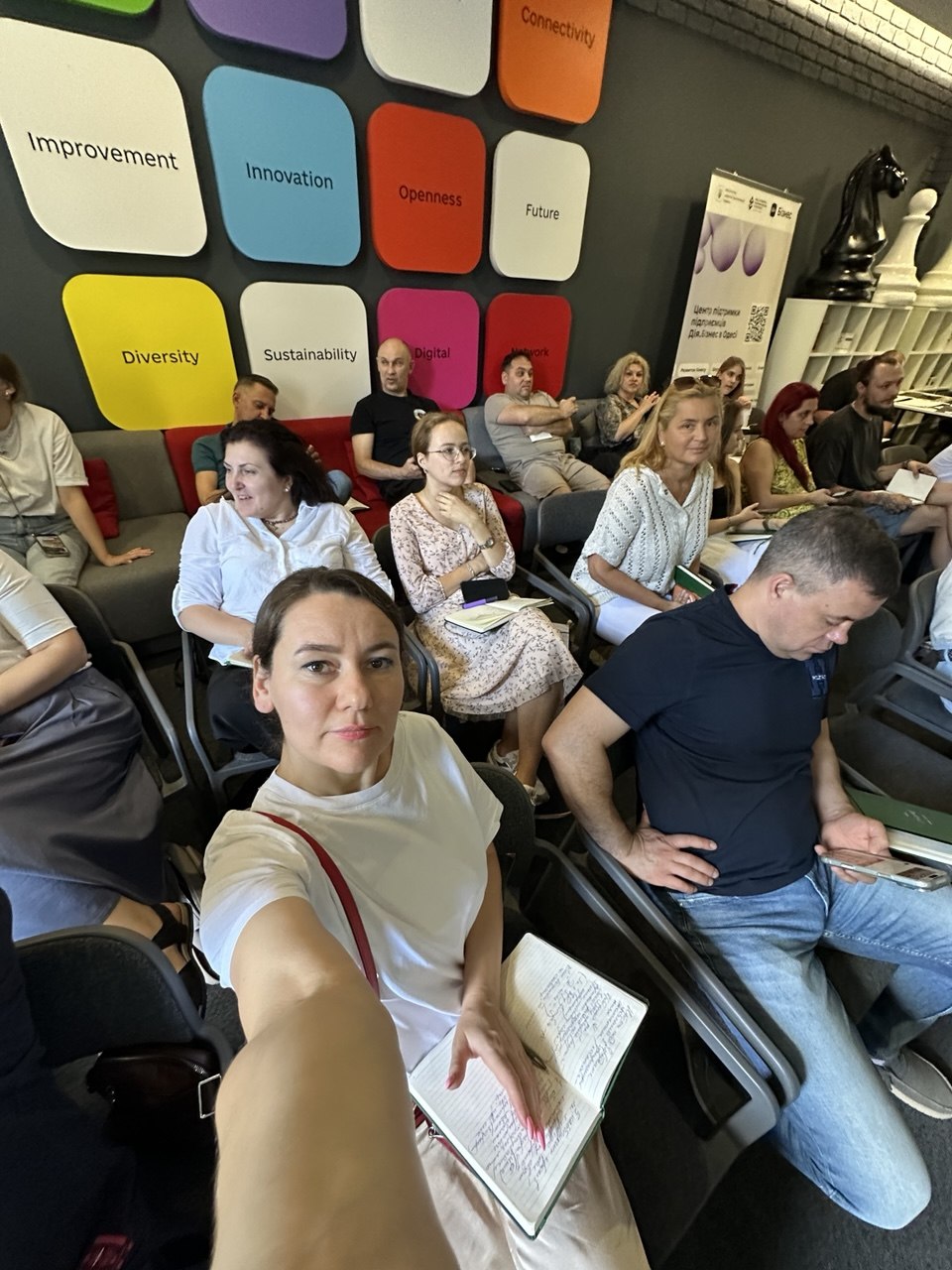
The practical portion of the training was dedicated to building a marketing strategy. Participants analysed their target audience, identified the competitive advantages of their projects, formed brand positioning, and developed its key promise. The lecturer stressed that successful marketing begins with deep research into the client—their needs, barriers, and motivations—rather than the choice of advertising tools.
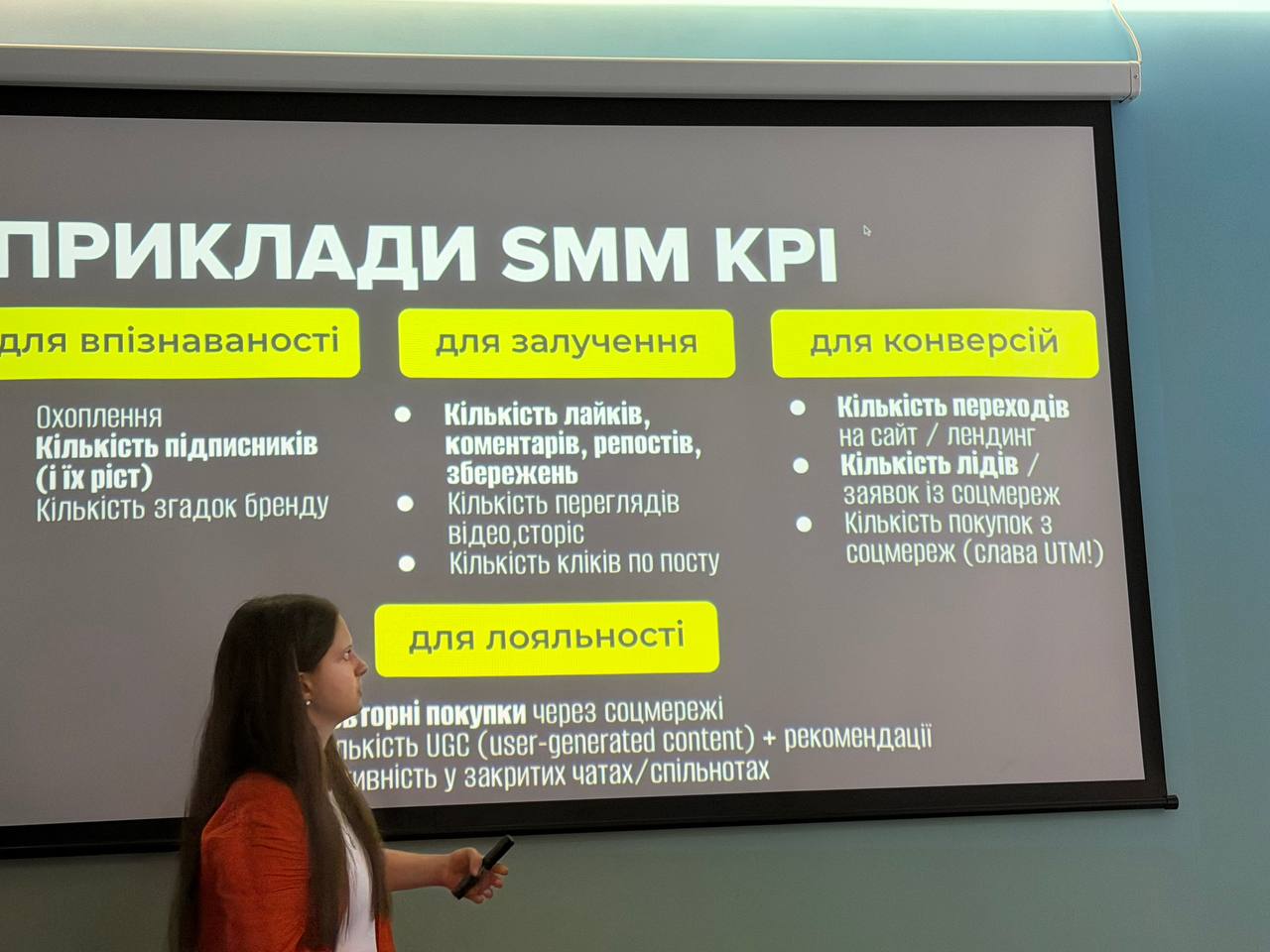
Using real business and social project examples, Yuliia Maruniak demonstrated how to properly craft marketing messages, work with the Customer Journey Map, determine Key Performance Indicators (KPIs), and evaluate the results of marketing activities. She also drew attention to the importance of systematic planning, recommending building a marketing strategy for at least one year and regularly analysing its effectiveness.
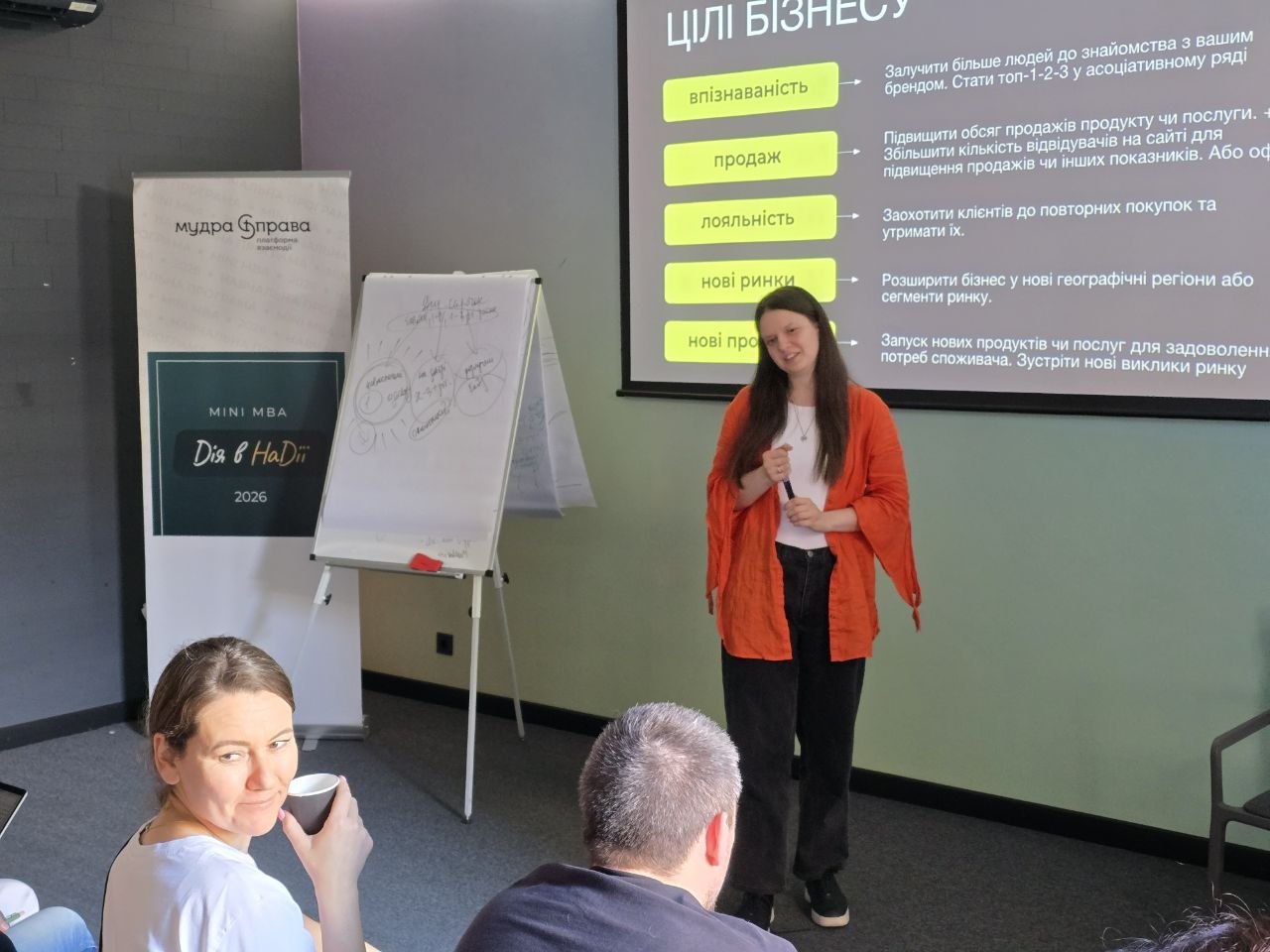
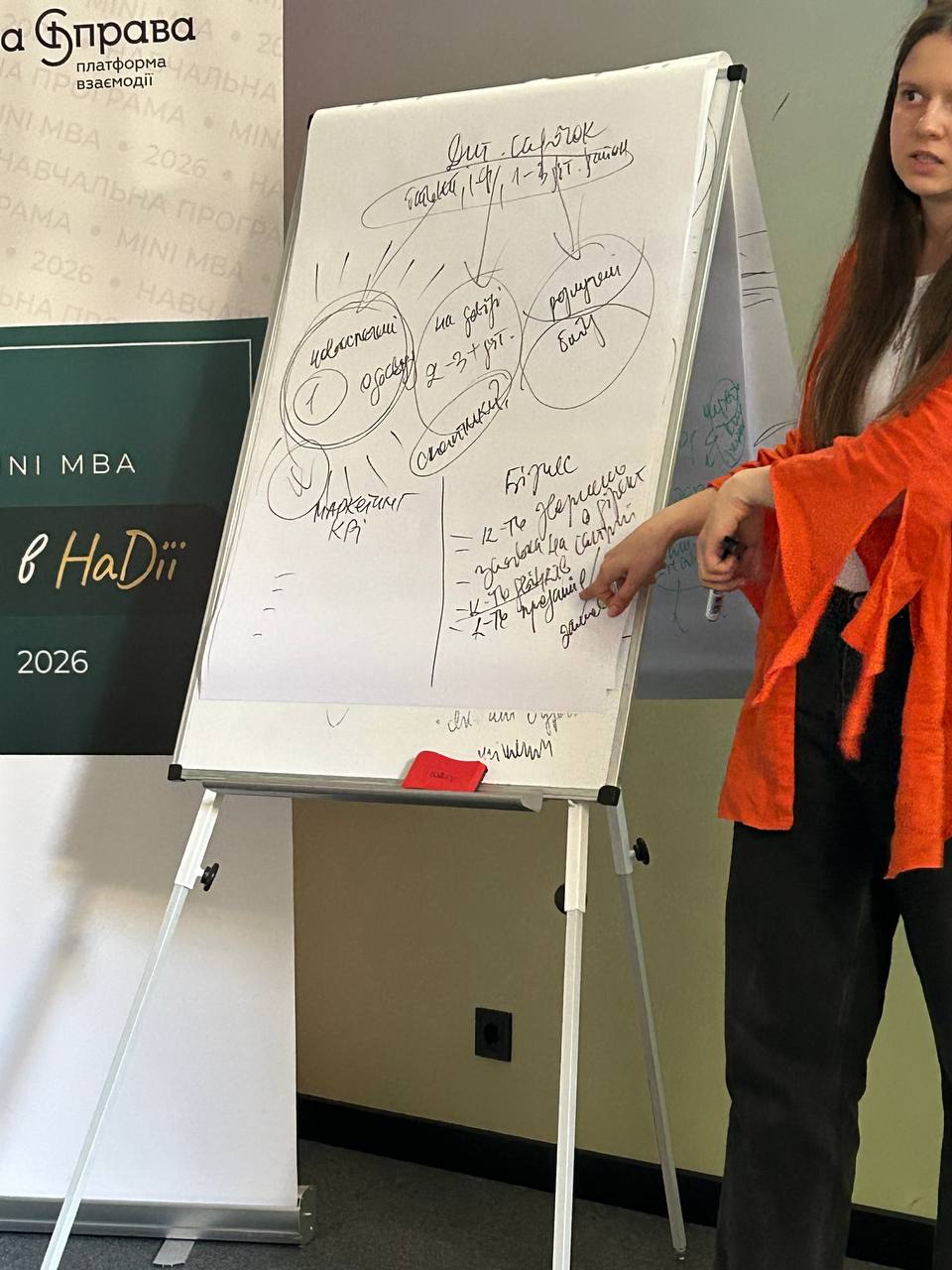
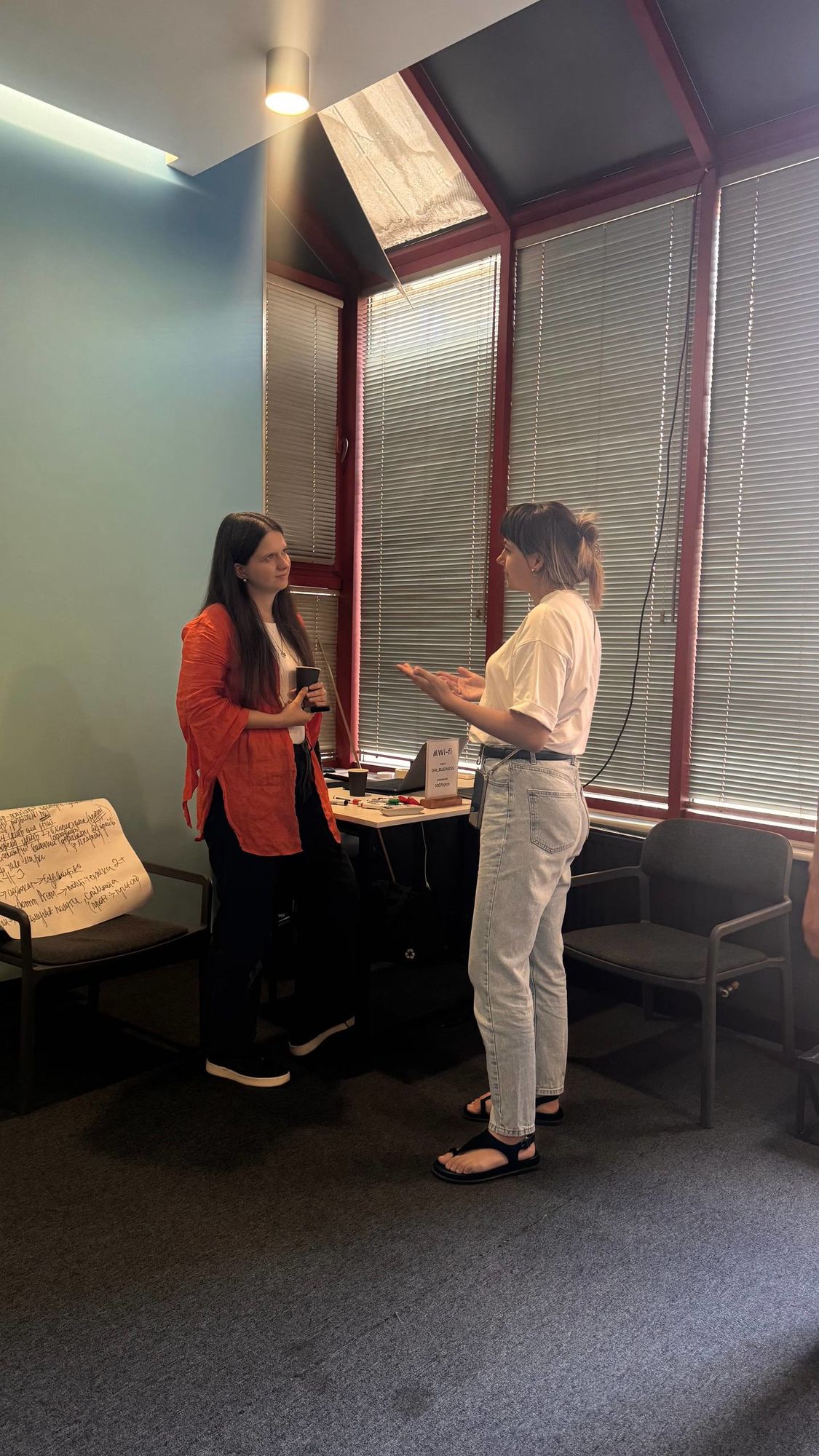
A dedicated block of the lecture focused on using artificial intelligence tools. According to the speaker, AI has already become an effective assistant for marketers—helping to generate ideas, research audiences, create content, and explore new solutions. However, technology cannot replace strategic thinking, customer understanding, and human creativity.
Following the session, participants received a practical assignment to develop their own mini-marketing plan with clearly defined business goals, target audience, communication channels, and initial steps to implement immediately after the training module.
Press Service of the Patriarchal Foundation “Mudra Sprava”